
Top Innovations in Two-Way Radio Systems for Utility Companies
Enhanced Communication with Digital Two-Way Radios
Utility companies rely heavily on effective communication to ensure smooth operations and safety. One of the most significant advancements in this field is the shift from analog to digital two-way radios. Digital radios offer clearer audio quality, reduced noise interference, and the ability to transmit over longer distances. These features are critical in ensuring that teams in the field and at the headquarters remain connected at all times.
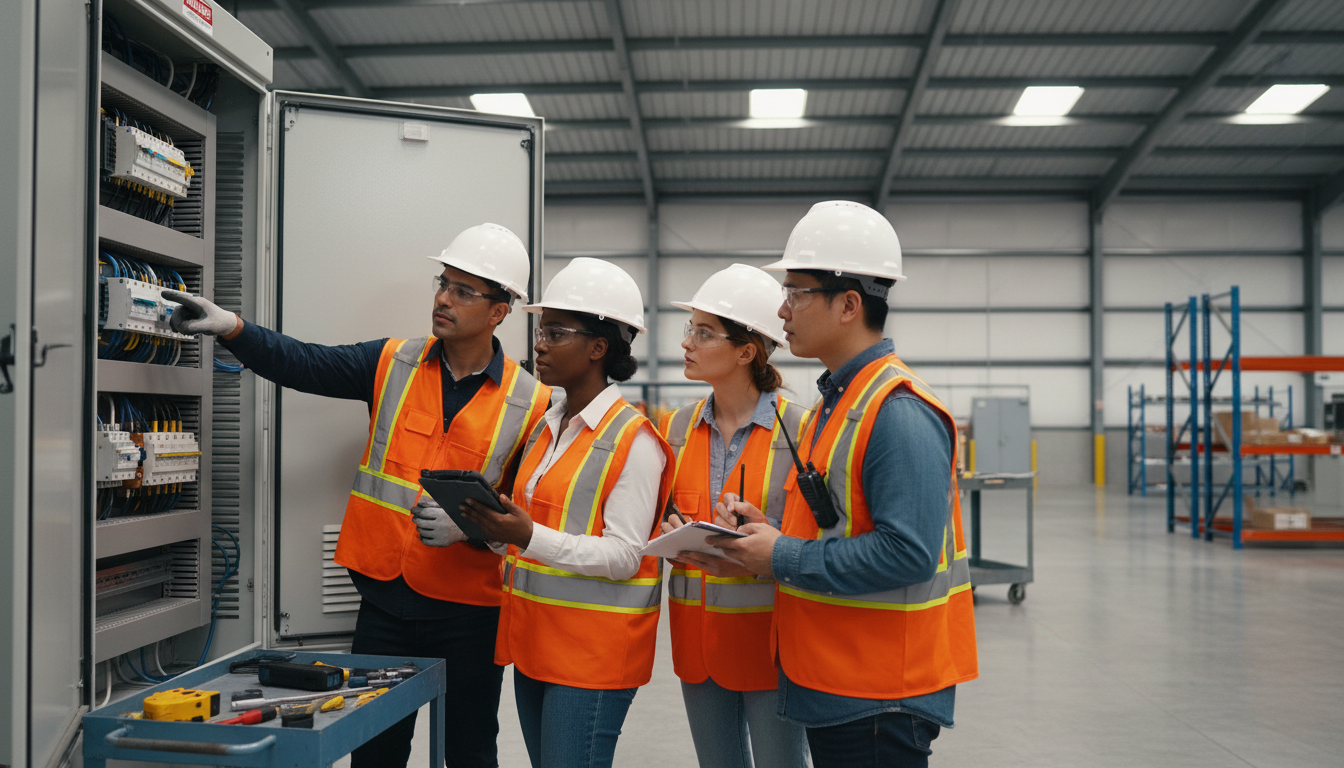
Moreover, digital radios support a range of functionalities that were not possible with their analog counterparts. For instance, they allow for text messaging and GPS tracking, which can enhance coordination and efficiency. The ability to send data as well as voice messages ensures that essential information is conveyed without delay.
Integration with IoT and SCADA Systems
The integration of two-way radios with Internet of Things (IoT) and Supervisory Control and Data Acquisition (SCADA) systems marks another leap in innovation. This synergy allows utility companies to monitor and control equipment remotely, providing real-time data to operators. The two-way radio becomes a vital link in the communication chain, transmitting not just voice, but critical data that can help prevent outages and improve response times.
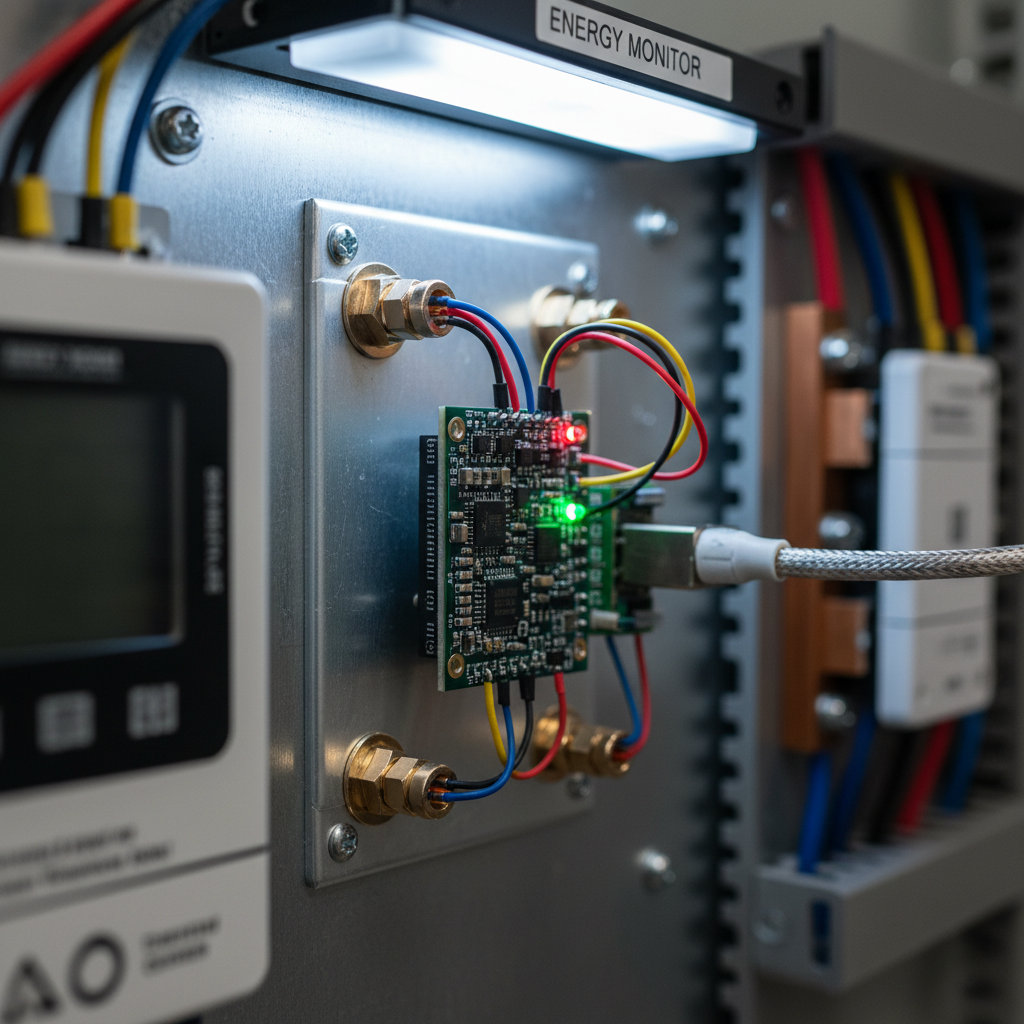
By incorporating IoT capabilities, two-way radios can now connect with various sensors and devices, providing a comprehensive overview of the utility network's health. This integration is crucial for predictive maintenance, allowing companies to identify and address potential issues before they escalate into significant problems.
Enhanced Safety Features
Safety is a paramount concern for utility companies, and modern two-way radios are equipped with numerous features to ensure the well-being of the workforce. Many radios now come with emergency alert functions that allow users to send distress signals at the push of a button. These alerts can be customized to include the user's location, speeding up response times in emergencies.
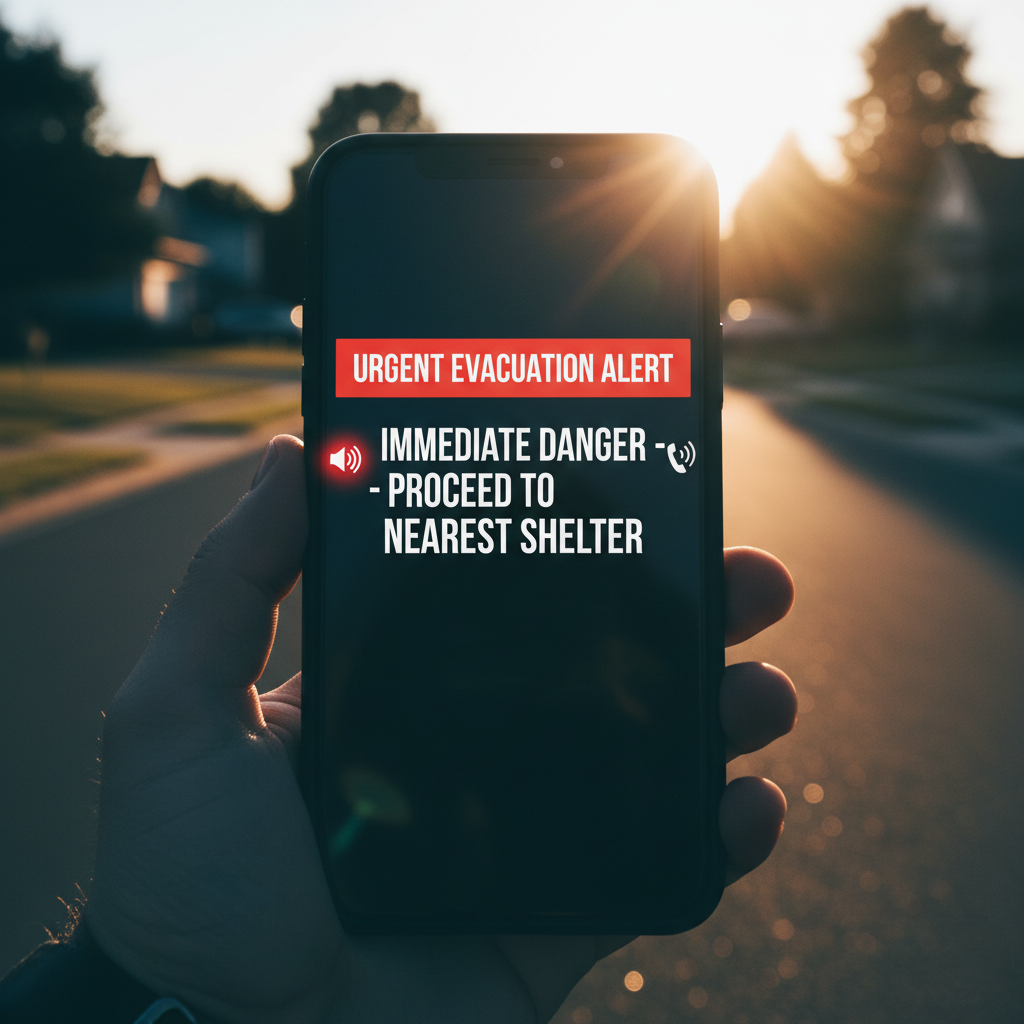
Another important feature is the man-down function, which automatically sends an alert if the radio detects that the user has fallen. This capability is particularly valuable in hazardous environments where workers may be isolated or out of sight. Such innovations contribute significantly to improving the safety protocols within utility companies.
Improved Battery Life and Durability
Utility workers often operate in challenging environments where access to charging facilities is limited. Innovations in battery technology have led to significant improvements in the battery life of two-way radios. Modern batteries can last longer, ensuring that communication devices remain operational throughout extended shifts.
Additionally, these radios are designed to withstand harsh conditions. They are built with durable materials that can resist dust, water, and impact, making them suitable for use in the field. This durability ensures that the devices can endure the demands of utility work without frequent replacements.
Customization and Scalability
One of the most appealing aspects of modern two-way radio systems is their customization and scalability. Utility companies can tailor the features and functionalities of these radios to meet their specific needs. Whether it's adding additional channels, integrating with other communication systems, or incorporating unique software solutions, customization is key to meeting diverse operational requirements.

Scalability ensures that as a utility company grows, its communication infrastructure can expand seamlessly. This flexibility is crucial in accommodating new users, incorporating additional features, and ensuring that the system evolves with the company’s needs.
In conclusion, the innovations in two-way radio systems are transforming the way utility companies operate. By enhancing communication, integrating with advanced technologies, and prioritizing safety and durability, these systems are an invaluable asset to the industry. As technology continues to progress, we can expect further enhancements that will continue to drive efficiency and safety within the utility sector.