Preparing Your Business for Atlantic Canada's Harsh Weather with Reliable Communications
Understanding the Impact of Atlantic Canada's Weather
Atlantic Canada is known for its stunning landscapes, but its weather can be quite unforgiving. Businesses in the region must be prepared for harsh conditions, including heavy snowfall, ice storms, and high winds. These elements not only affect daily operations but can also disrupt communication systems, which are crucial for maintaining business continuity.
Ensuring that your business is ready for these challenges involves more than just physical preparations. Reliable communication is key to keeping your operations running smoothly, even when the weather is at its worst.
Investing in Robust Communication Infrastructure
One of the first steps in preparing your business for harsh weather is investing in a reliable communication infrastructure. This means having systems in place that can withstand adverse conditions. Consider using cloud-based services that offer high availability and redundancy, ensuring that your data and communication channels remain accessible even during disruptions.
Moreover, it's essential to have backup systems, such as satellite phones or radio communications, that can be used if conventional methods fail. These alternative communication tools can be invaluable during extended power outages or when traditional networks are down.
Choosing the Right Technology
When selecting technology for your communication needs, focus on solutions that offer resilience and flexibility. Look for providers with a proven track record in handling harsh conditions and those that offer support tailored to Atlantic Canada's unique climate challenges.

Training Employees for Efficient Communication
Having the right technology is only part of the solution. Your employees need to be well-trained in using these systems effectively. Conduct regular training sessions and drills to ensure that everyone knows how to operate the communication tools and understands emergency protocols.
Make sure that your staff is aware of the importance of maintaining clear and open lines of communication during weather events. This will help in making timely decisions, coordinating efforts, and ensuring the safety of all employees.
Establishing a Communication Plan
Develop a comprehensive communication plan that outlines procedures to follow during weather emergencies. This plan should include contact lists, escalation processes, and predefined messages that can be quickly disseminated to employees, customers, and stakeholders.

Leveraging Technology for Weather Monitoring
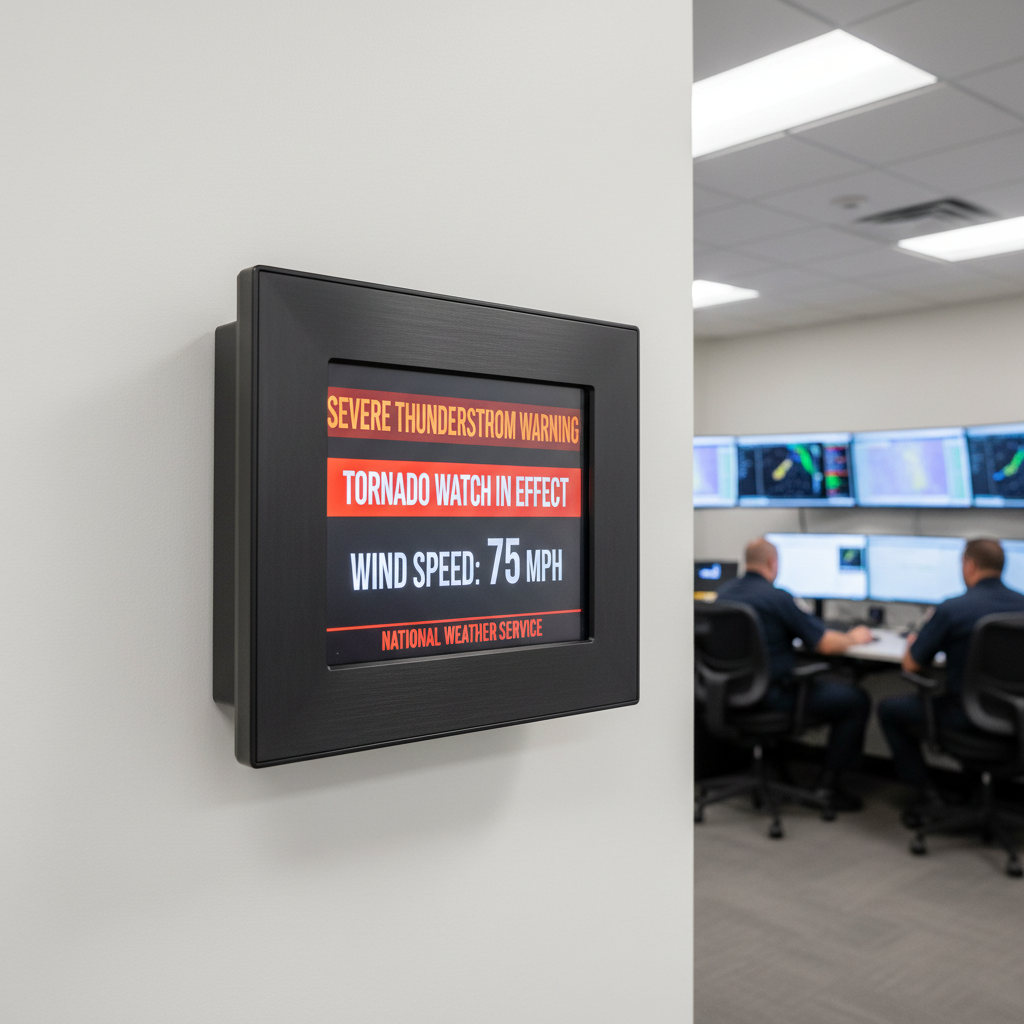
Proactively monitoring weather conditions can give your business a crucial advantage. Implement systems that provide real-time weather updates and alerts, allowing you to make informed decisions and take timely actions.
Utilize apps and services that offer detailed forecasts and warnings specific to your location. Integrating these tools into your communication systems can streamline the process of alerting employees and adjusting operations as needed.
Conclusion: Stay Prepared and Connected
Preparing your business for Atlantic Canada's harsh weather involves a multifaceted approach that prioritizes reliable communication. By investing in robust infrastructure, training your team, and leveraging technology for weather monitoring, you can ensure that your business remains resilient and operational, no matter the forecast.