
Local Insights: The Role of Communication Systems in Dartmouth's Public Safety
The Importance of Communication Systems in Public Safety
In Dartmouth, effective communication systems are the backbone of public safety operations. These systems ensure that emergency services can respond swiftly and efficiently to incidents, safeguarding the community. As technology evolves, so does the capability of these communication networks, enhancing their reliability and reach.
Modern communication systems integrate multiple technologies, including radio, internet, and mobile networks, to provide a seamless flow of information. This integration is crucial in coordinating efforts among various public safety departments, such as police, fire, and emergency medical services.
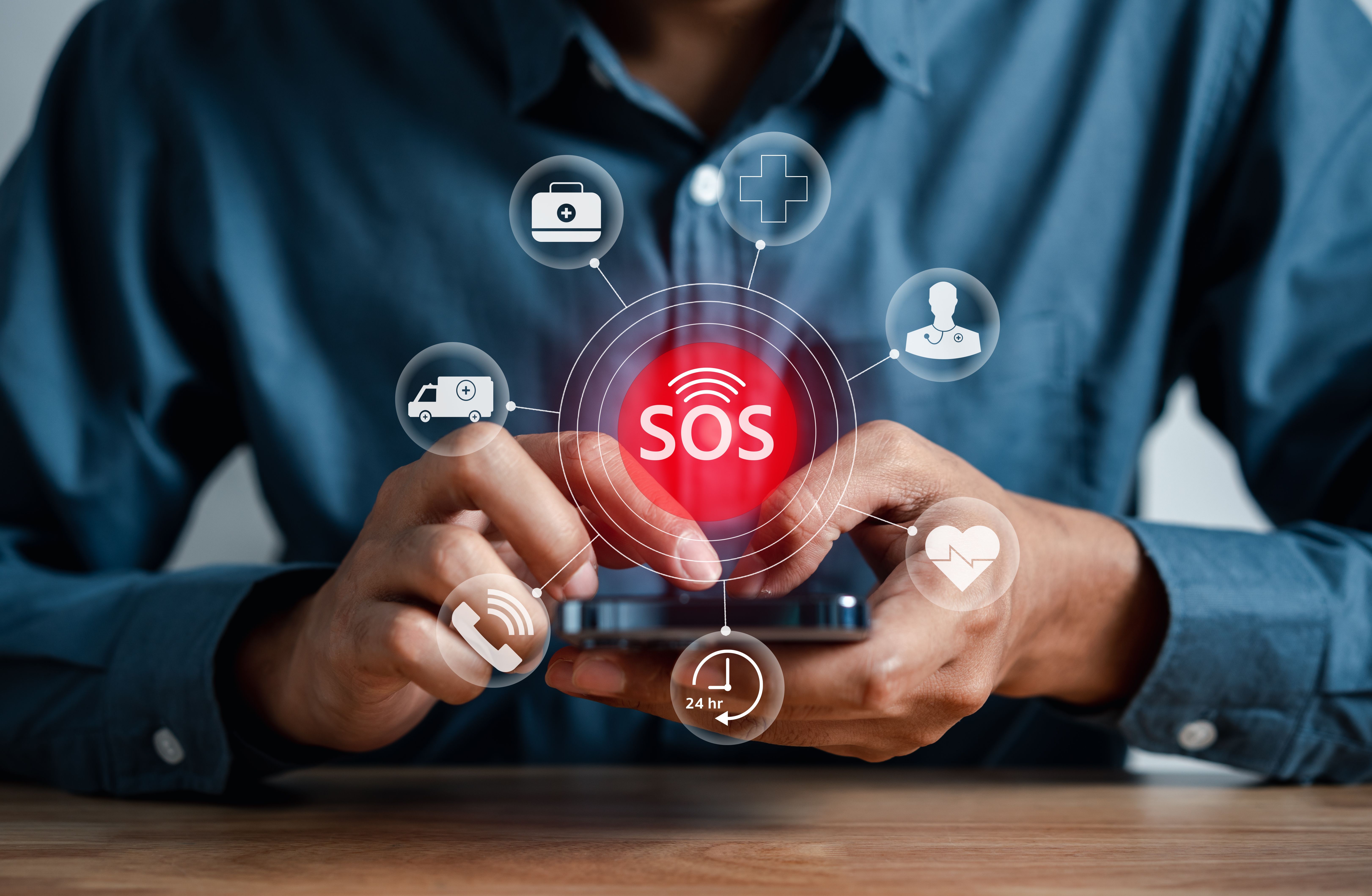
The Evolution of Communication Technologies
Over the years, Dartmouth has witnessed significant advancements in communication technologies. The shift from analog to digital systems marked a pivotal change, offering clearer transmissions and more secure channels. Today, digital radio systems are a staple for first responders, providing them with real-time updates and enhanced connectivity.
Moreover, the incorporation of mobile data terminals in emergency vehicles has revolutionized the way information is accessed and shared. These devices allow first responders to receive updates on the go, access critical data, and communicate with dispatch centers efficiently.
Enhancing Coordination Among Public Safety Agencies
Effective communication is essential for the coordination of efforts among different public safety agencies. In Dartmouth, integrated communication systems play a vital role in breaking down barriers between departments, ensuring a unified response to emergencies.
Joint operations often require quick and clear communication between police, fire, and medical services. The use of interoperable systems allows these agencies to share information seamlessly, improving response times and outcomes.
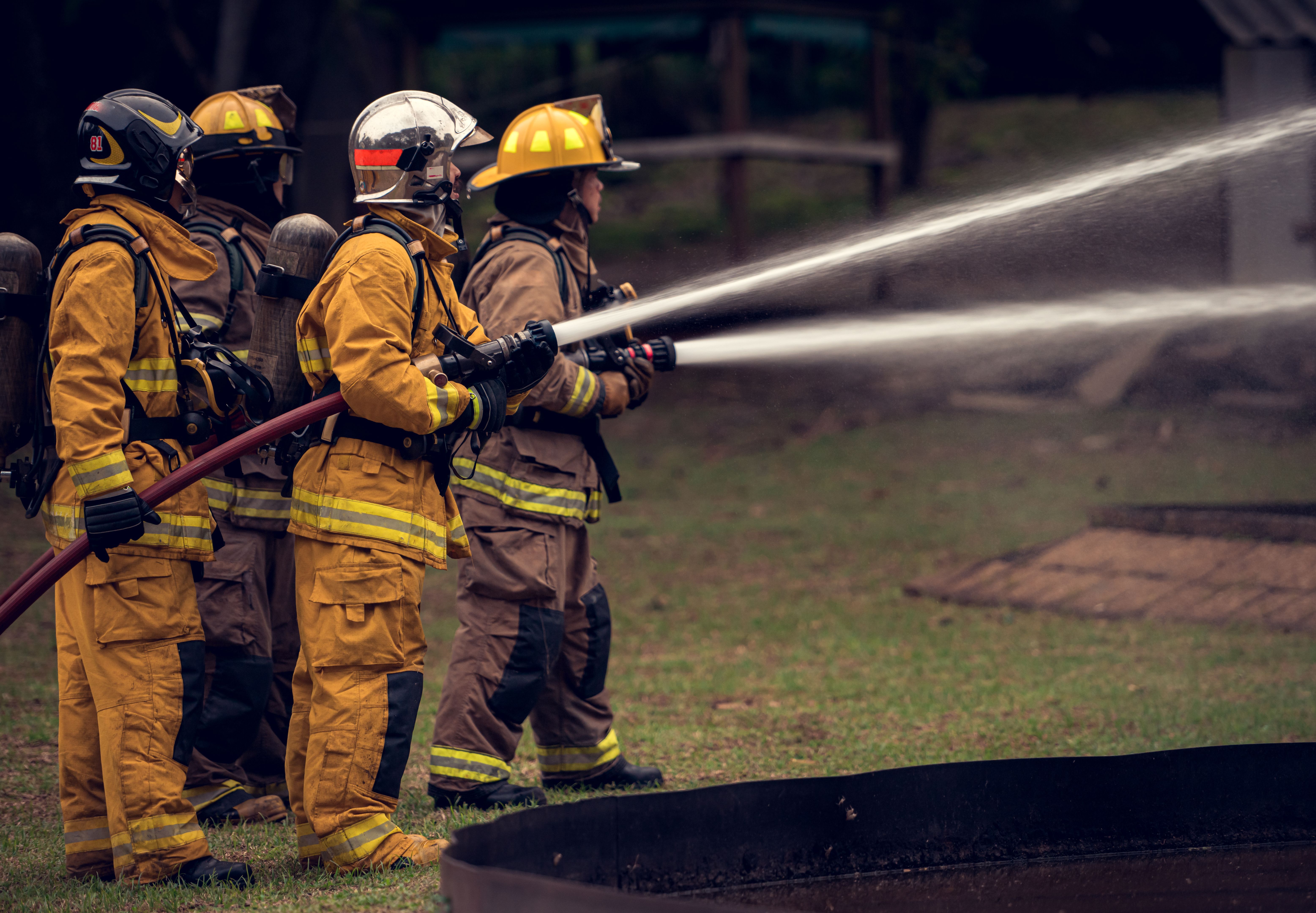
The Role of Technology in Emergency Response
Technology is a key player in enhancing the capabilities of communication systems. In Dartmouth, the implementation of Geographic Information Systems (GIS) and real-time data analytics has improved situational awareness for emergency responders. These tools provide critical insights into incident locations and potential hazards.
- Geographic Information Systems (GIS): Offers real-time mapping and location data.
- Data Analytics: Provides insights into trends and patterns in emergency situations.
Such technologies not only enhance decision-making but also optimize resource allocation, ensuring that public safety agencies can deploy the right resources to the right places at the right times.
Challenges and Future Directions
Despite the advancements, challenges remain in maintaining and upgrading communication systems. Funding constraints and the need for continuous training are significant hurdles. However, Dartmouth is committed to investing in cutting-edge technologies and infrastructure to bolster public safety.

Looking ahead, the future of communication systems in public safety lies in further integration and innovation. The adoption of next-generation 911 systems, which allow for text, video, and data sharing, is on the horizon. Such developments promise to enhance the efficiency and effectiveness of emergency response in Dartmouth.
In conclusion, communication systems are indispensable to Dartmouth's public safety framework. As technology continues to evolve, so too will the capabilities of these systems, ensuring that the community remains protected and well-served.