
How to Prepare Your Two-Way Radio Systems for Winter Conditions in Atlantic Canada
Understanding the Impact of Winter on Two-Way Radios
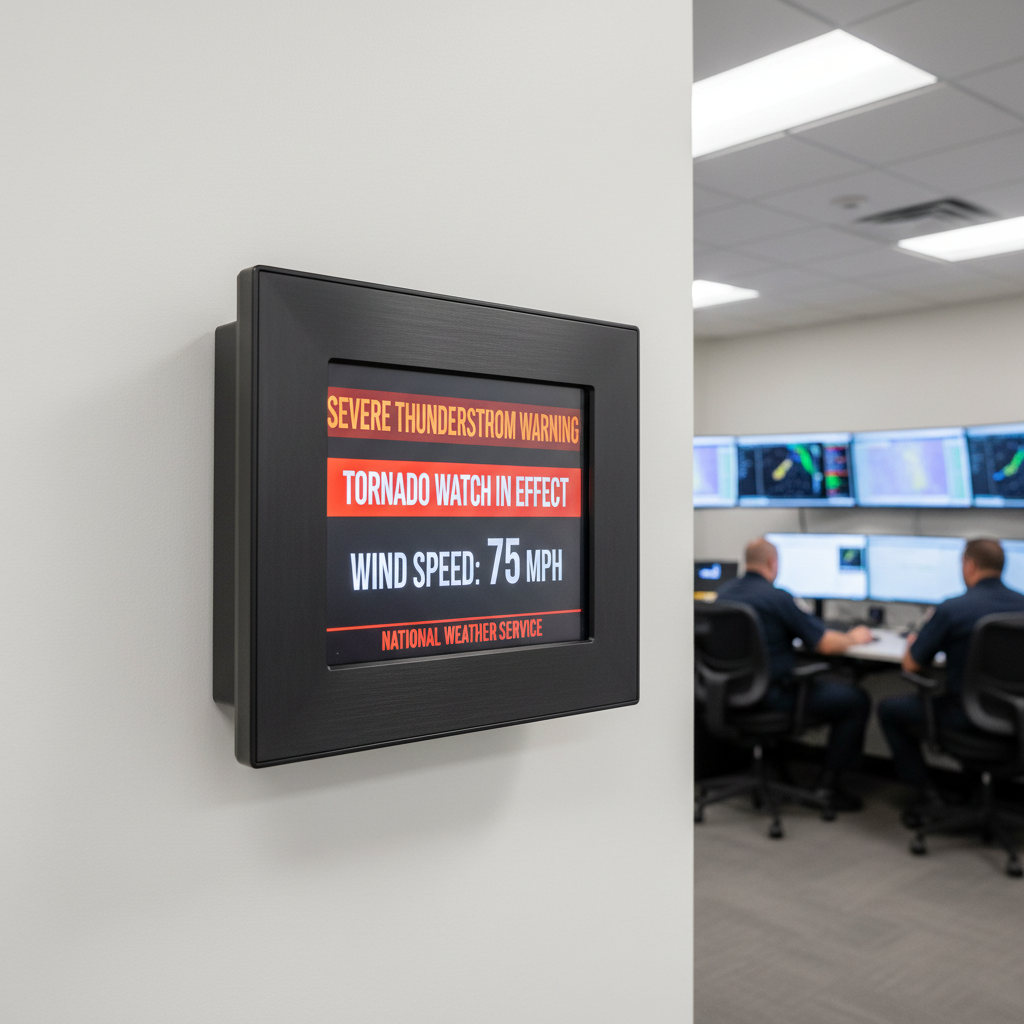
Winter in Atlantic Canada can be harsh, with frigid temperatures, snowstorms, and icy conditions. These elements can significantly affect the performance of two-way radio systems. It's crucial to understand how cold weather can impact battery life, signal range, and overall functionality. By being proactive, you can ensure your communication remains uninterrupted.
Protecting Your Equipment from the Cold
One of the most significant challenges during winter is maintaining battery life. Cold temperatures can drain batteries faster than usual. To counter this, consider using high-capacity batteries or keeping spare batteries warm by storing them in an insulated bag. Additionally, ensure that all radios and accessories are stored in a dry, warm place when not in use.
Condensation is another concern, which can lead to internal damage. To prevent this, allow your radios to gradually acclimate to temperature changes. Avoid sudden transitions from cold to warm environments, which can cause moisture to form inside the device.
Optimizing Signal Strength in Adverse Conditions
Winter weather can also affect signal transmission. Snow, ice, and dense clouds can interfere with radio waves, reducing range and clarity. To optimize signal strength, regularly check and maintain antenna connections. Ensure that antennas are free from ice and snow build-up, as this can further degrade signal quality.
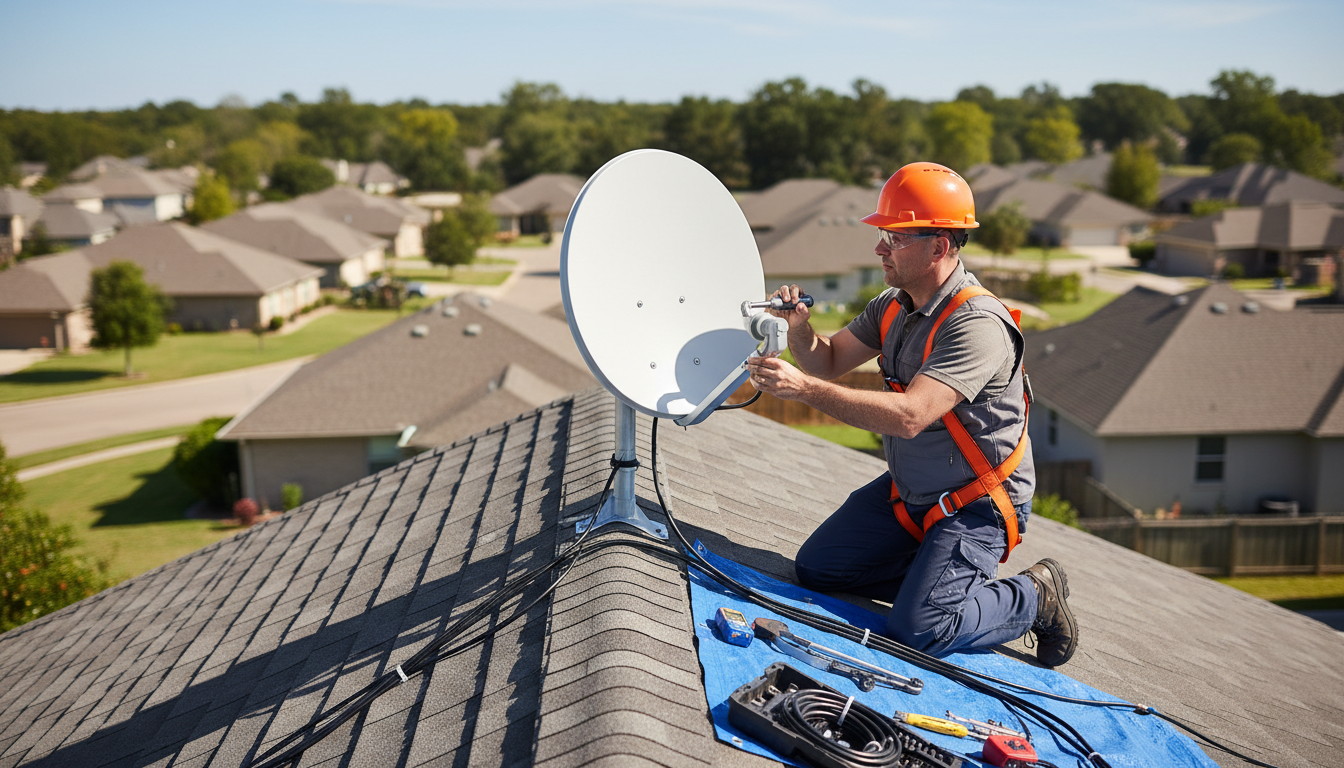
In addition, consider using higher-powered radios if you frequently operate in challenging conditions. These devices can provide better range and penetration through environmental obstacles like snow-covered landscapes.
Regular Maintenance and Testing
Regular maintenance is essential to keep your radio systems in peak condition during winter. Conduct routine checks on all equipment, looking for signs of wear or damage that could be exacerbated by cold weather. Pay special attention to connectors and seals, ensuring they remain intact and effective.
Testing your radios frequently can also help identify issues before they become significant problems. Perform range tests in various weather conditions to understand how your system performs and make adjustments as needed.
Training and Preparedness
Ensure that all users are trained on how to handle radios in cold conditions. They should know the importance of keeping devices dry, handling batteries correctly, and reporting any issues immediately. Training sessions can also cover basic troubleshooting steps to empower users to address minor problems independently.

Additionally, develop a communication plan tailored for winter conditions. This plan should include backup communication methods and protocols for when standard operations are disrupted by extreme weather.
Conclusion
By taking the appropriate steps to prepare your two-way radio systems for winter conditions in Atlantic Canada, you can maintain reliable communication, even in the harshest weather. Protecting your equipment, optimizing signal strength, performing regular maintenance, and ensuring user preparedness are all essential strategies in winterizing your communication systems. Stay proactive, and you'll be ready to face whatever winter throws your way.