
How to Implement Effective Dispatch Solutions for Construction Projects
Understanding the Importance of Dispatch Solutions
Effective dispatch solutions are crucial for the success of construction projects. They ensure that the right resources reach the site at the right time, enhancing productivity and reducing downtime. Inadequate dispatch systems can lead to delays, increased costs, and frustration among team members.
By implementing a streamlined dispatch process, construction companies can improve their operational efficiency and enhance project outcomes. This involves a comprehensive approach that integrates technology, communication, and logistics.
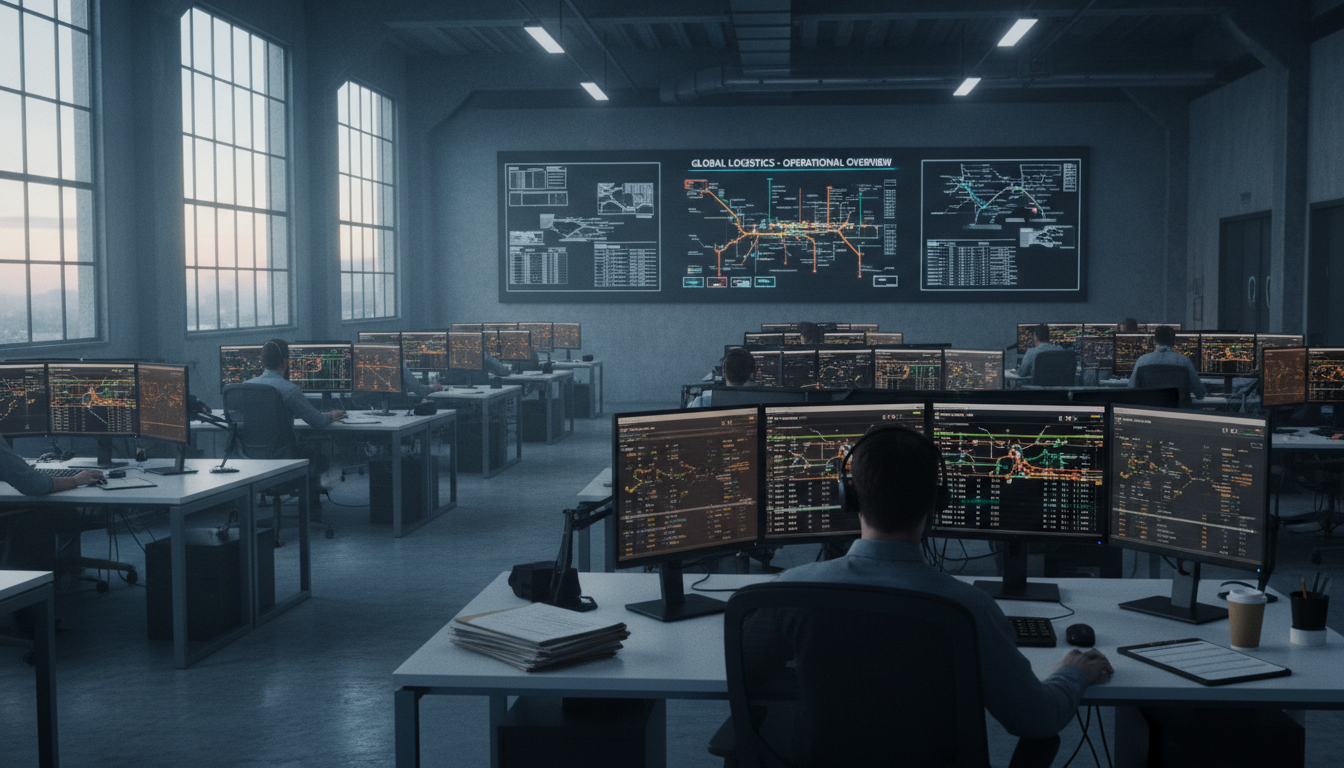
Assessing Your Current Dispatch System
Before implementing new solutions, it's important to assess your current dispatch system. Identify areas where inefficiencies occur, such as delays in material deliveries or miscommunication between teams. Understanding these pain points will help tailor a solution that addresses your specific needs.
Consider conducting a thorough analysis involving team members at different levels to gain insights from various perspectives. This will ensure that the new system is comprehensive and effective.
Choosing the Right Technology
Technology plays a vital role in modern dispatch solutions. Utilizing software that offers real-time tracking, scheduling, and communication can transform the way construction projects are managed. Look for platforms that integrate with existing tools and offer mobile access for field teams.
GPS tracking, automated scheduling, and instant messaging are some of the features that can significantly enhance dispatch efficiency. These tools enable seamless coordination and provide transparency at every stage of the project.

Training and Development for Team Members
Implementing new dispatch solutions requires proper training for all team members. Ensure that everyone understands how to use the new system and is aware of the benefits it provides. Training sessions and ongoing support will help ease the transition and maximize the system's effectiveness.
Consider appointing a dedicated team or individual responsible for overseeing the dispatch process. This ensures accountability and provides a point of contact for any issues that may arise.
Continuous Monitoring and Improvement
Once the dispatch solution is in place, continuous monitoring is essential to ensure it functions effectively. Regularly review performance metrics and gather feedback from team members to identify areas for improvement. This ongoing evaluation helps in making necessary adjustments to optimize the system.

Encourage open communication and foster a culture of continuous improvement. By staying adaptable and responsive to changes, you can maintain a high level of efficiency and productivity on your construction projects.
Conclusion
Implementing effective dispatch solutions for construction projects is a strategic move that can lead to significant gains in efficiency and productivity. By assessing your current system, leveraging the right technology, providing adequate training, and maintaining continuous improvement, you can ensure that your dispatch process is both effective and efficient.
With the right approach, construction companies can overcome common challenges and set the stage for successful project execution.