
How to Enhance Public Safety Communication Systems During Peak Travel Season
Understanding the Importance of Public Safety Communications
During peak travel seasons, ensuring seamless communication between public safety agencies is crucial. With increased traffic and the potential for emergencies, having a robust communication system can make a significant difference in response times and overall safety. Effective communication helps in coordinating efforts, sharing critical information, and managing resources efficiently.
Public safety communication systems must be resilient and adaptable to handle the surge in travel-related incidents. Investing in advanced technologies and infrastructure can enhance these systems, ensuring they remain operational even in high-demand situations.
Leveraging Technology for Better Communication
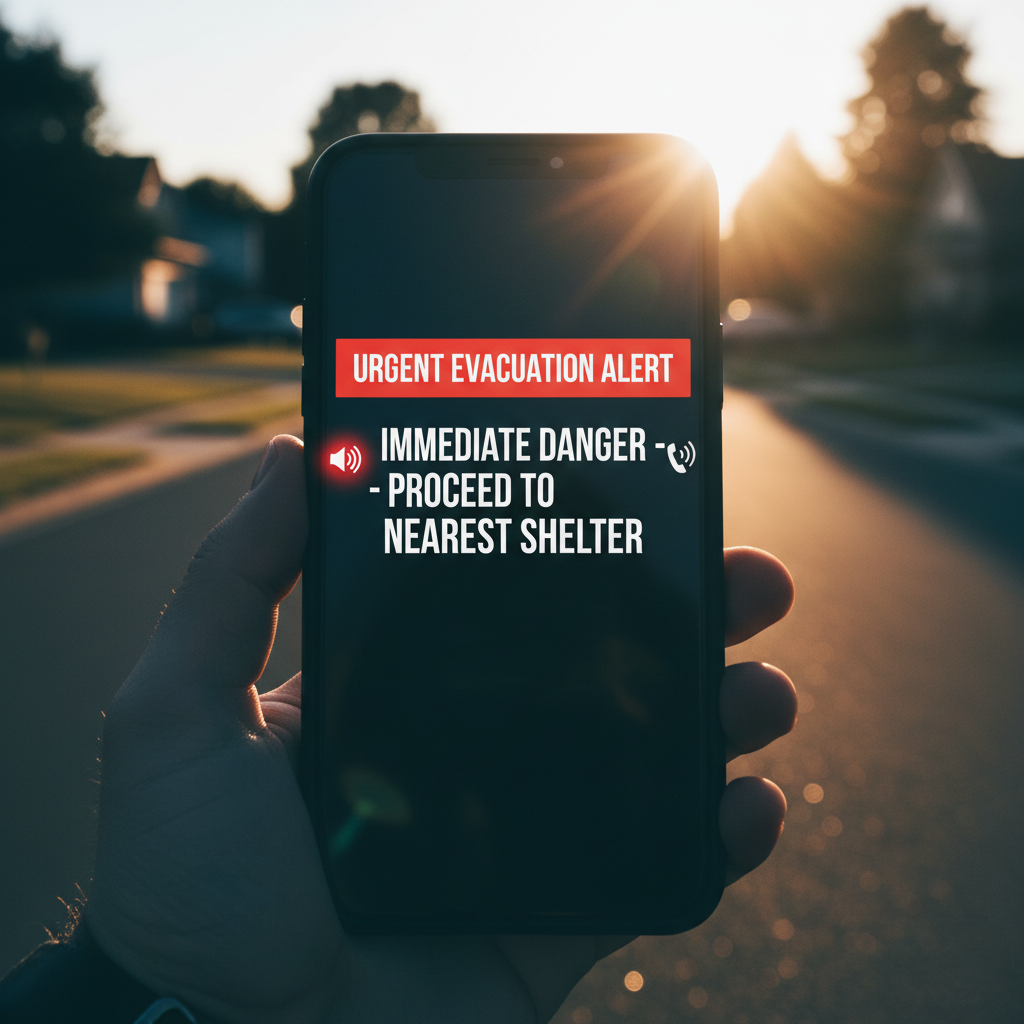
One of the most effective ways to enhance public safety communication systems is by leveraging modern technology. Implementing digital communication platforms can improve the speed and clarity of information exchange. These platforms allow for real-time updates and facilitate collaboration between different agencies.
Integrating technologies such as GPS tracking, data analytics, and mobile applications can provide responders with vital information quickly. These tools help in assessing situations more accurately and deploying resources where they are needed most.

Implementing Redundant Systems
Redundancy is a critical component of any public safety communication system. By having backup systems in place, agencies can ensure continuous communication even if the primary system fails. Redundant systems can include alternative power sources, multiple communication channels, and backup hardware.
Investing in redundant systems minimizes downtime and ensures that communication lines remain open during emergencies. This preparedness is essential, particularly during the busy travel season when the likelihood of incidents increases.
Training and Coordination
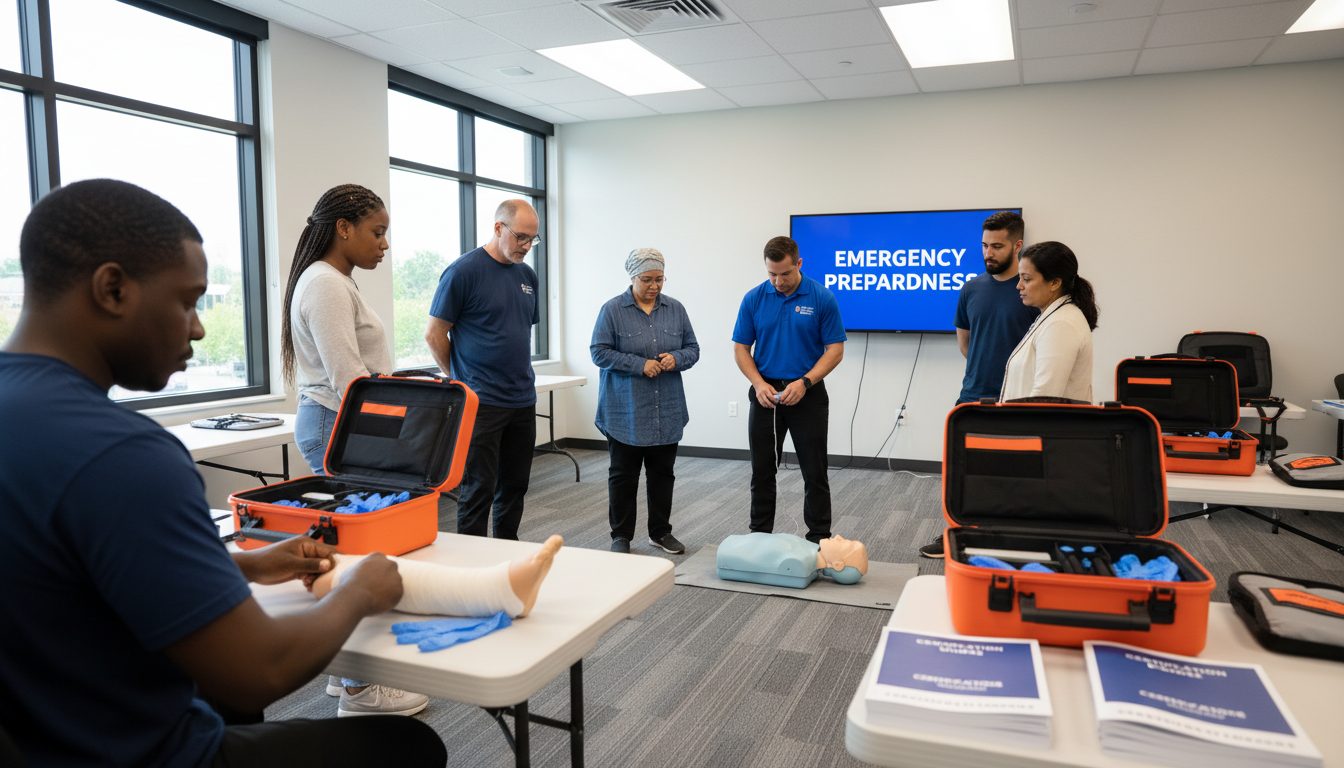
Regular training and coordination between various agencies enhance the effectiveness of public safety communication systems. Conducting joint exercises and simulations can help identify potential weaknesses in the system and improve inter-agency cooperation.
Training programs should focus on using new technologies, understanding protocols, and developing quick decision-making skills. A well-trained team is better equipped to handle emergencies efficiently, reducing the impact of incidents on the public.
Engaging the Public
Public safety communication is not limited to agencies alone; engaging the public plays a vital role in enhancing overall safety. Informing travelers about safety protocols, emergency contacts, and real-time updates can empower them to act responsibly during emergencies.
Utilizing social media and mobile alerts can help disseminate important information quickly. Encouraging the public to report incidents and provide information can also assist agencies in managing situations more effectively.
Evaluating and Updating Systems
Continuous evaluation and updating of communication systems are necessary to keep them relevant and effective. Regular assessments help identify technological advancements and areas for improvement. This proactive approach ensures that systems are up-to-date and capable of handling emerging challenges.
Public safety agencies should collaborate with technology providers and experts to explore new solutions and implement them as needed. Staying ahead of the curve is essential to maintaining reliable and efficient communication systems.

Conclusion
Enhancing public safety communication systems during peak travel seasons is a multifaceted approach that involves technology, training, redundancy, public engagement, and continuous evaluation. By focusing on these areas, agencies can ensure they are well-prepared to handle increased demands and maintain public safety effectively.