
How to Enhance Construction Site Safety with Modern Technology
Introduction to Construction Site Safety
Construction sites are inherently risky environments, with numerous hazards that can lead to accidents. Ensuring safety is paramount, and modern technology offers innovative solutions to help mitigate these risks. From wearable tech to advanced software, technology is reshaping the landscape of construction site safety.

Wearable Technology for Real-Time Monitoring
Wearable technology, such as smart helmets and vests, is revolutionizing safety protocols on construction sites. These devices can monitor vital signs and environmental conditions, providing real-time data to supervisors. If a worker's heart rate spikes or if they enter a hazardous area, alerts can be sent instantly to prevent accidents.
Moreover, wearables often include GPS tracking, allowing for efficient management of personnel and quick response in emergencies. This technology not only enhances worker safety but also improves overall site efficiency.
Drone Surveillance and Inspection
Drones are becoming increasingly popular for site surveillance and inspection. They offer a bird's-eye view of the construction area, identifying potential hazards and ensuring compliance with safety regulations. Drones can access hard-to-reach areas, reducing the need for workers to enter dangerous zones.
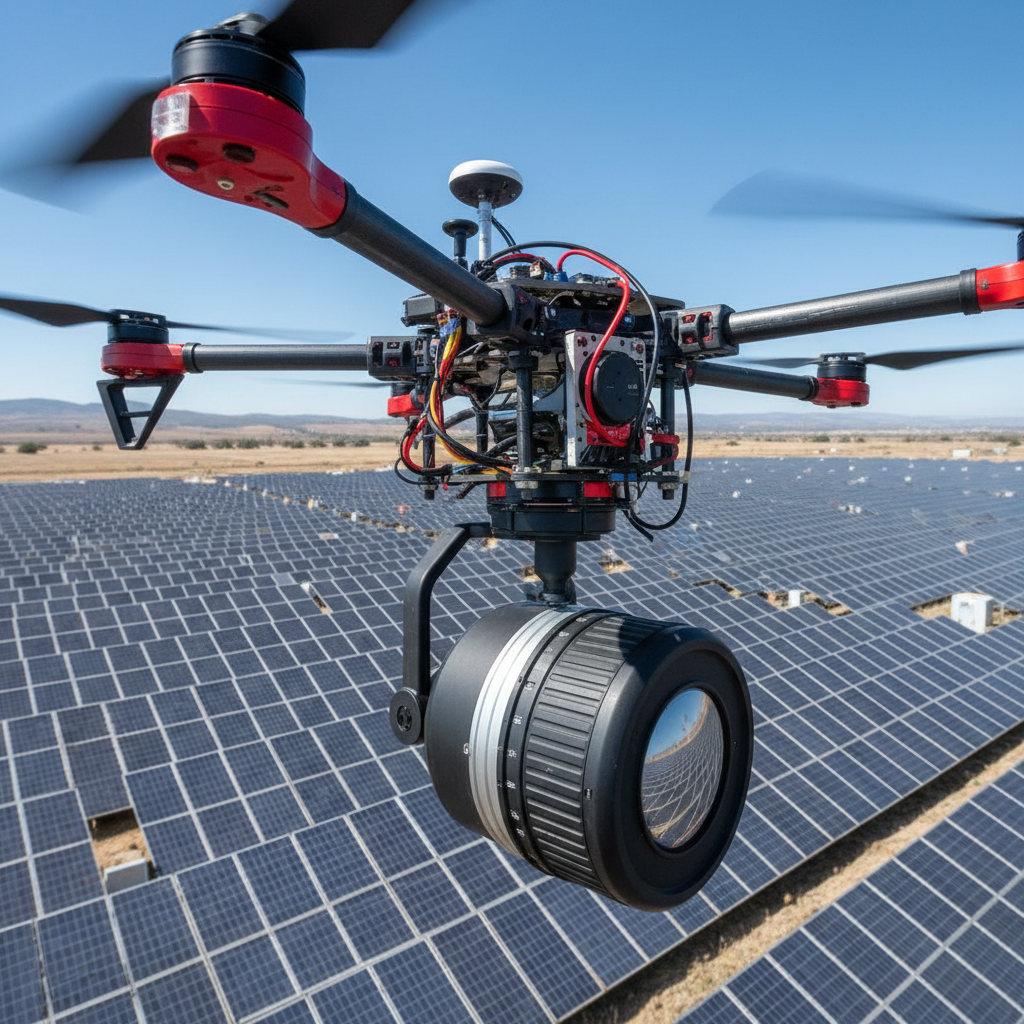
By capturing high-resolution images and videos, drones provide valuable data that can be analyzed to improve safety measures. This technology is particularly useful for large-scale projects where constant monitoring is crucial.
Advanced Software Solutions
Construction management software is another critical tool in enhancing site safety. These platforms allow for meticulous planning and coordination of tasks, reducing the likelihood of accidents. They can track equipment usage, monitor environmental conditions, and ensure that safety protocols are followed.
Software solutions often include features like digital checklists and automated reporting, streamlining the process of safety compliance. This not only minimizes human error but also speeds up the response time in case of an incident.
Virtual Reality for Safety Training
Virtual Reality (VR) is an emerging technology in safety training, offering immersive experiences that prepare workers for real-world scenarios. VR simulations can replicate hazardous situations in a controlled environment, allowing workers to practice responses without any risk.

This type of training is highly effective in reinforcing safety protocols and improving decision-making skills. By experiencing potential dangers virtually, workers are better equipped to handle emergencies on site.
Conclusion
Integrating modern technology into construction site safety protocols is not just a trend but a necessity. From wearables to drones, these tools offer significant enhancements in monitoring, training, and compliance. Embracing these innovations will lead to safer, more efficient construction environments, ultimately protecting the workforce and reducing project delays.