
How Dispatch Systems Enhance Efficiency in Transportation and Public Safety
Introduction to Dispatch Systems
Dispatch systems play a pivotal role in the realm of transportation and public safety. By streamlining communication and coordination, these systems enhance operational efficiency and ensure timely responses to emergencies. In today's fast-paced world, the integration of advanced technology in dispatch systems is crucial for maintaining high standards of service and safety.

Improving Transportation Efficiency
In the transportation sector, dispatch systems are indispensable for managing fleets and optimizing routes. By utilizing real-time data, these systems allow for the dynamic allocation of resources, ensuring that vehicles are deployed effectively. This not only reduces fuel consumption but also minimizes delays, enhancing customer satisfaction.
Real-Time Tracking and Communication
One of the key features of modern dispatch systems is real-time tracking. This capability enables operators to monitor vehicle locations and communicate with drivers instantly. The result is a more responsive and adaptable transportation network that can quickly adjust to changing conditions, such as traffic congestion or unexpected road closures.

Enhancing Public Safety Operations
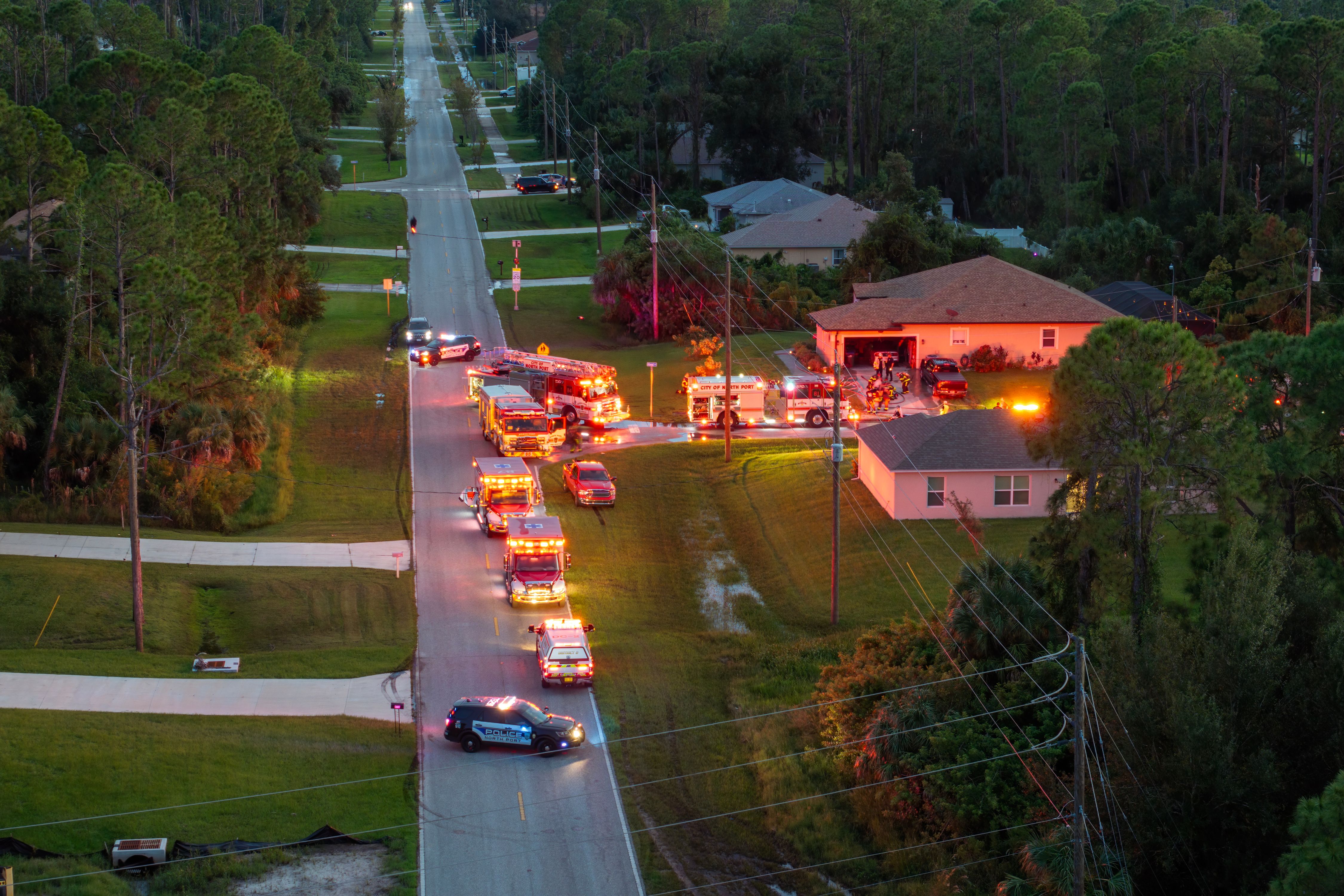
In the realm of public safety, dispatch systems are the backbone of emergency response efforts. They ensure that law enforcement officers, firefighters, and medical personnel are dispatched efficiently to incidents, reducing response times and potentially saving lives.
Coordinated Emergency Responses
Effective dispatch systems facilitate coordinated responses by integrating with various communication networks. This integration allows for seamless information sharing between different agencies and departments, ensuring that all parties are informed and can work together effectively during emergencies.
Key Features of Advanced Dispatch Systems
Advanced dispatch systems come with a suite of features designed to enhance their functionality. These include automated scheduling, predictive analytics, and integration with GPS and other location-based services. Such features empower organizations to make informed decisions quickly and accurately.
Benefits of Predictive Analytics
Predictive analytics in dispatch systems can forecast demand patterns and potential incidents. By analyzing historical data, these systems can anticipate peak times and allocate resources accordingly, ensuring that transportation and public safety services are always prepared to handle high volumes efficiently.

Conclusion
Dispatch systems are essential tools that significantly enhance the efficiency and effectiveness of transportation and public safety operations. By leveraging cutting-edge technology and real-time data, these systems ensure that resources are utilized optimally, leading to improved service delivery and increased public safety. As technology continues to evolve, the capabilities of dispatch systems will only expand, offering even greater benefits to the sectors they serve.