
Expert Tips for Setting Up Mobile Radios in Remote Areas of Nova Scotia
Understanding the Importance of Mobile Radios in Remote Areas
In the expansive wilderness of Nova Scotia, communication is crucial, especially in remote areas where traditional cell service may falter. Mobile radios serve as a reliable lifeline, ensuring connectivity for outdoor enthusiasts, emergency services, and remote workers. Understanding the intricacies of setting up these radios can make all the difference in maintaining effective communication.
Choosing the Right Equipment
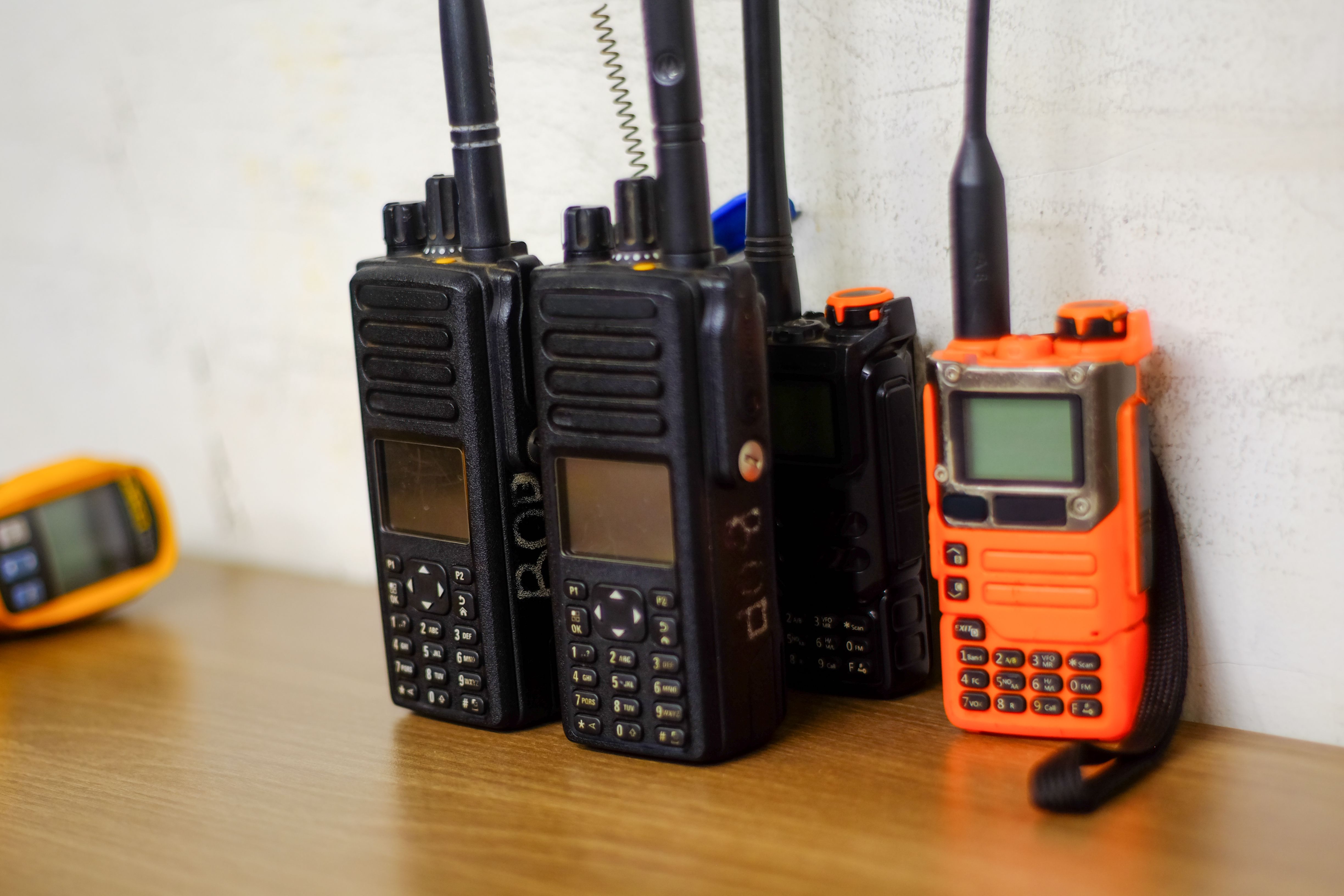
Selecting the appropriate mobile radio equipment is the first step in establishing a reliable communication network. Consider factors such as range, battery life, and durability. Radios with long-range capabilities are essential for covering vast, isolated areas. Additionally, opt for devices with robust battery performance to ensure sustained operations.
Durability is another key aspect. In Nova Scotia's rugged terrain, radios must withstand harsh weather conditions. Look for models that are water and dust-resistant, ensuring they remain functional in diverse environments.
Optimal Placement for Maximum Coverage
The placement of your mobile radio significantly impacts its performance. Install antennas at elevated locations to maximize signal reach. High ground, such as hilltops, can significantly enhance transmission capabilities, reducing dead zones. It's crucial to ensure that the antenna is securely mounted to withstand wind and other environmental factors.
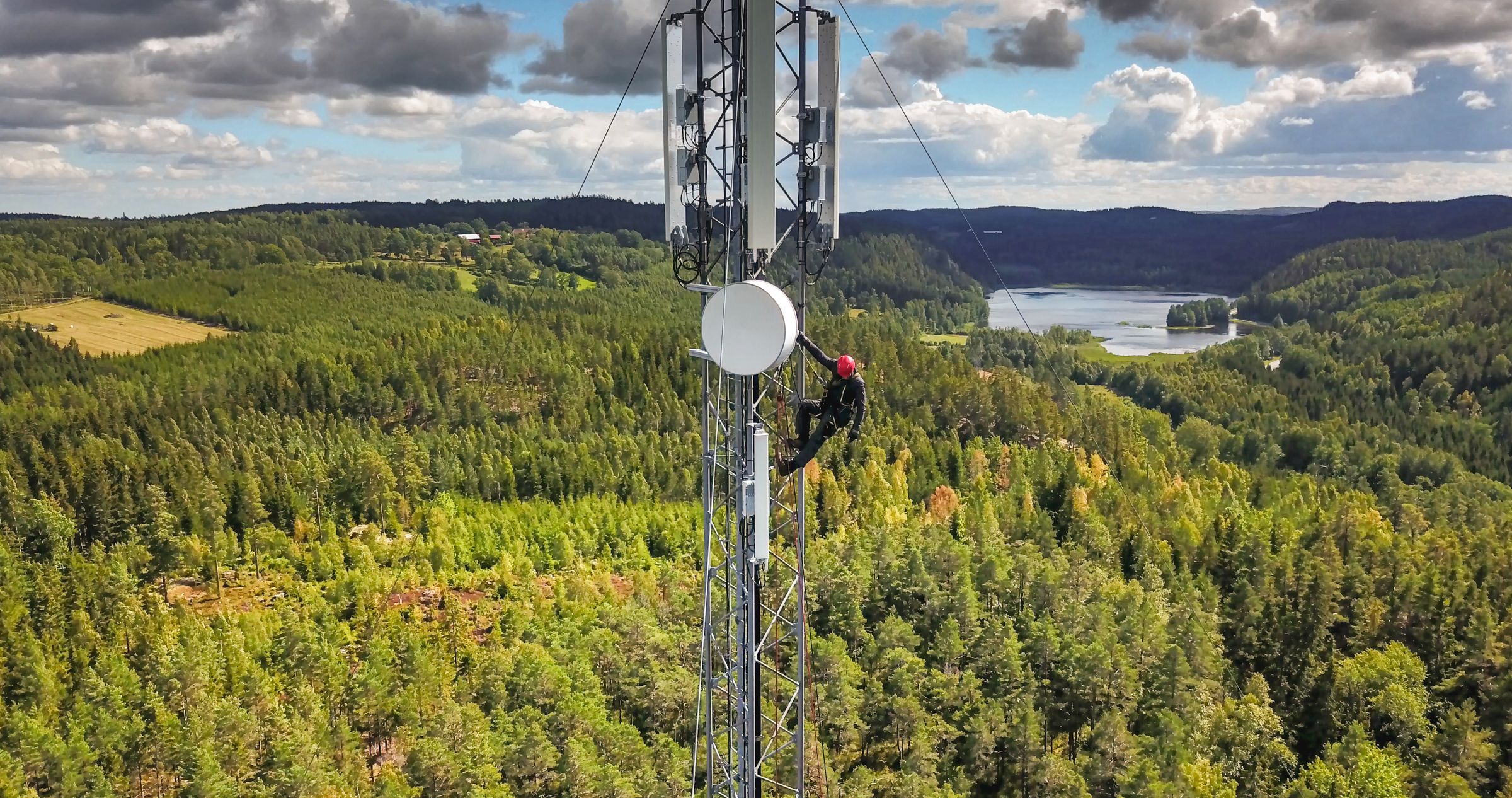
Consider the surroundings when choosing a location for your radio setup. Avoid placing antennas near large metal objects or dense foliage, as these can obstruct signals and degrade performance. Strategic placement is essential for maintaining clear and consistent communication.
Power Sources and Backup Options
Power reliability is vital when setting up mobile radios in remote areas. Explore various power source options such as solar panels or wind turbines, particularly in areas where electricity access is limited. These renewable energy sources can provide a sustainable solution to power your communication devices.
Additionally, having backup power options is crucial. Portable power stations or extra battery packs can serve as reliable backups, ensuring your radio remains operational during extended periods off the grid.

Ensuring Proper Licensing and Compliance
Before setting up mobile radios, ensure that you are compliant with local regulations. In Canada, specific frequencies are allocated for different types of communication. Acquiring the necessary licenses and understanding these regulations is crucial to avoid interference and legal issues.
Consult with local authorities or communication experts who can guide you through the licensing process and help you choose the appropriate frequencies for your needs.
Maintaining Your Mobile Radio System
Regular maintenance is essential to keep your mobile radio system functioning optimally. Periodically check connections, clean equipment, and test the system to detect any issues early. Proactive maintenance can prevent unexpected failures and ensure seamless communication.
Consider setting up a maintenance schedule and keeping a log of any repairs or adjustments made to the system. This practice can help in troubleshooting and enhancing the longevity of your equipment.
By following these expert tips, setting up mobile radios in remote areas of Nova Scotia can be a straightforward and rewarding process, ensuring reliable communication when it matters most.