
Expert Tips for Maintaining Two-Way Radio Systems in Harsh Conditions
Understanding the Challenges of Harsh Environments
Maintaining two-way radio systems in harsh conditions can be a daunting task. These environments can include extreme temperatures, heavy moisture, and abrasive dust. Such factors can severely impact the performance and longevity of your communication devices. Understanding these challenges is the first step to ensuring reliable communication.
Radios used in construction sites, oil rigs, or remote locations are often exposed to these elements. Therefore, having a robust maintenance plan is crucial for optimal performance and reliability.
Regular Inspection and Cleaning
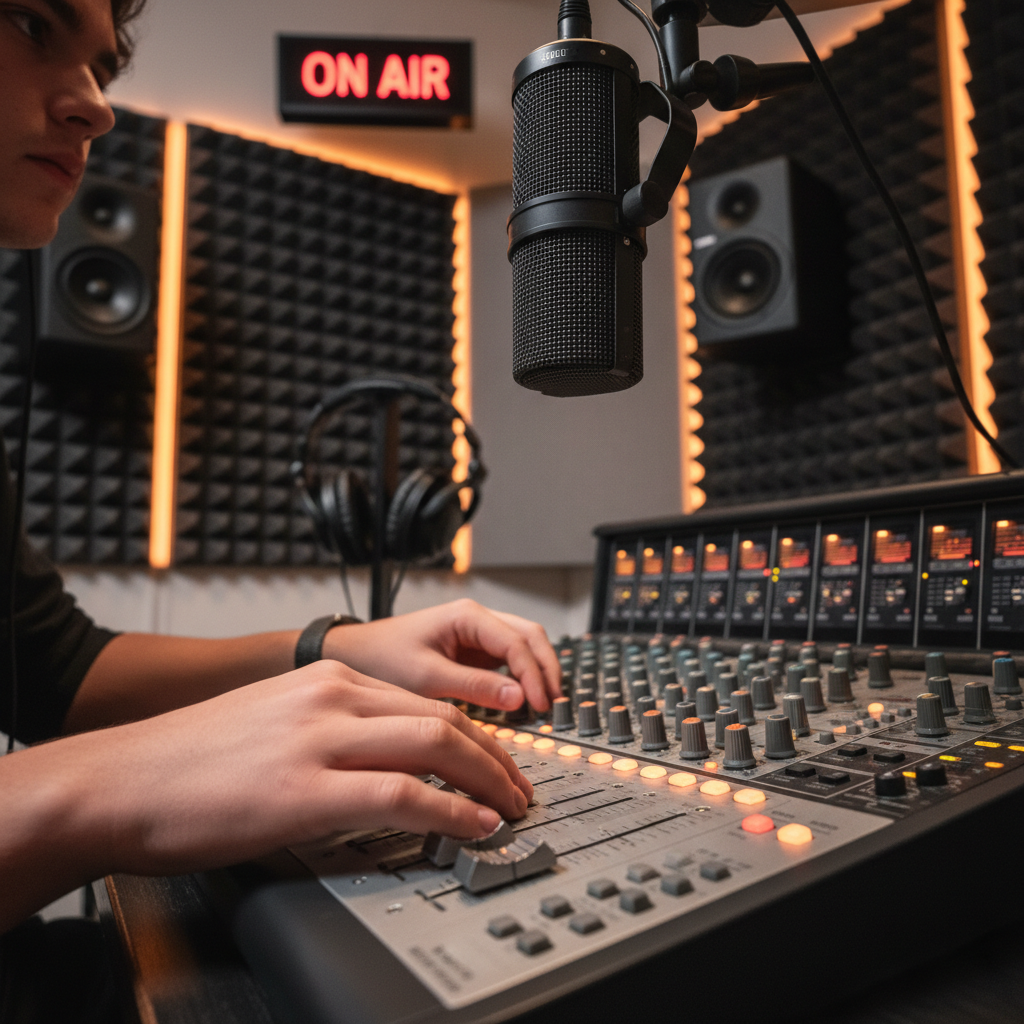
Regular inspection and cleaning are paramount when it comes to maintaining two-way radios. Dust and moisture can accumulate over time, leading to potential damage. Make it a routine to inspect the radios for any signs of wear or damage.
Cleaning involves gently wiping the radios with a soft cloth and using compressed air to remove any dust from crevices. Ensure that all connections are clean and free of debris to maintain a strong signal.
Choosing the Right Protective Gear
Investing in protective gear for your radios can significantly extend their lifespan. Waterproof and dustproof cases can shield the devices from environmental hazards. Additionally, using screen protectors can prevent scratches and damage to the display.
Battery Maintenance
The battery is the lifeline of a two-way radio. In harsh conditions, battery life can be compromised. To mitigate this, always use high-quality batteries and ensure they are fully charged before use. Consider carrying spare batteries if extended use is expected.
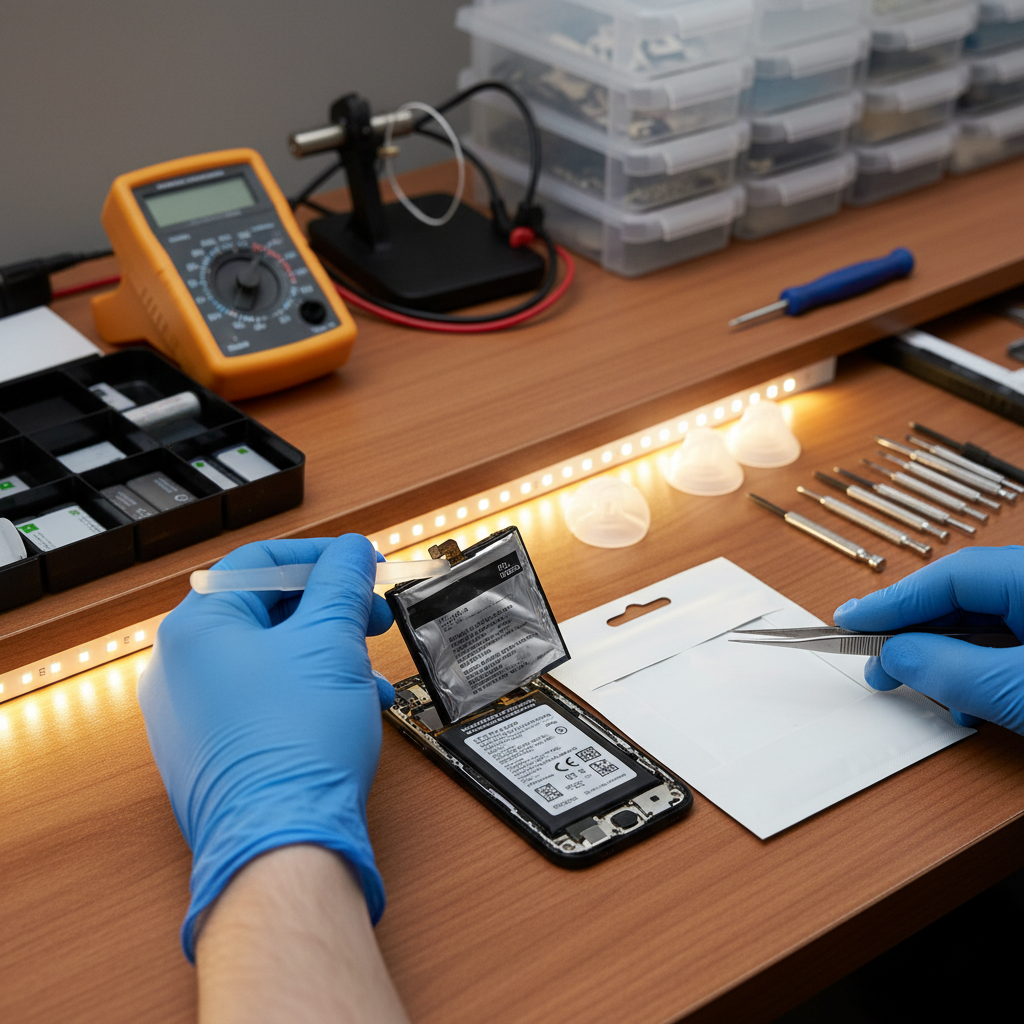
Regularly check for corrosion on battery contacts and clean them if necessary. Proper storage of batteries when not in use is also essential to prevent leakage and damage.
Calibration and Firmware Updates
Keeping your radio's firmware up to date ensures that you have the latest features and security patches. Regular calibration is also necessary to maintain accuracy in communication. Refer to the manufacturer's guidelines for calibration schedules and procedures.
Training and Safety Protocols
Proper training for radio users is crucial in ensuring the longevity of your devices. Train users on how to handle and store radios properly, emphasizing the importance of immediate reporting of any issues.
Implementing safety protocols can prevent accidental damage. Encourage users to handle radios with care and avoid exposure to unnecessary risks.
Partnering with Professional Services
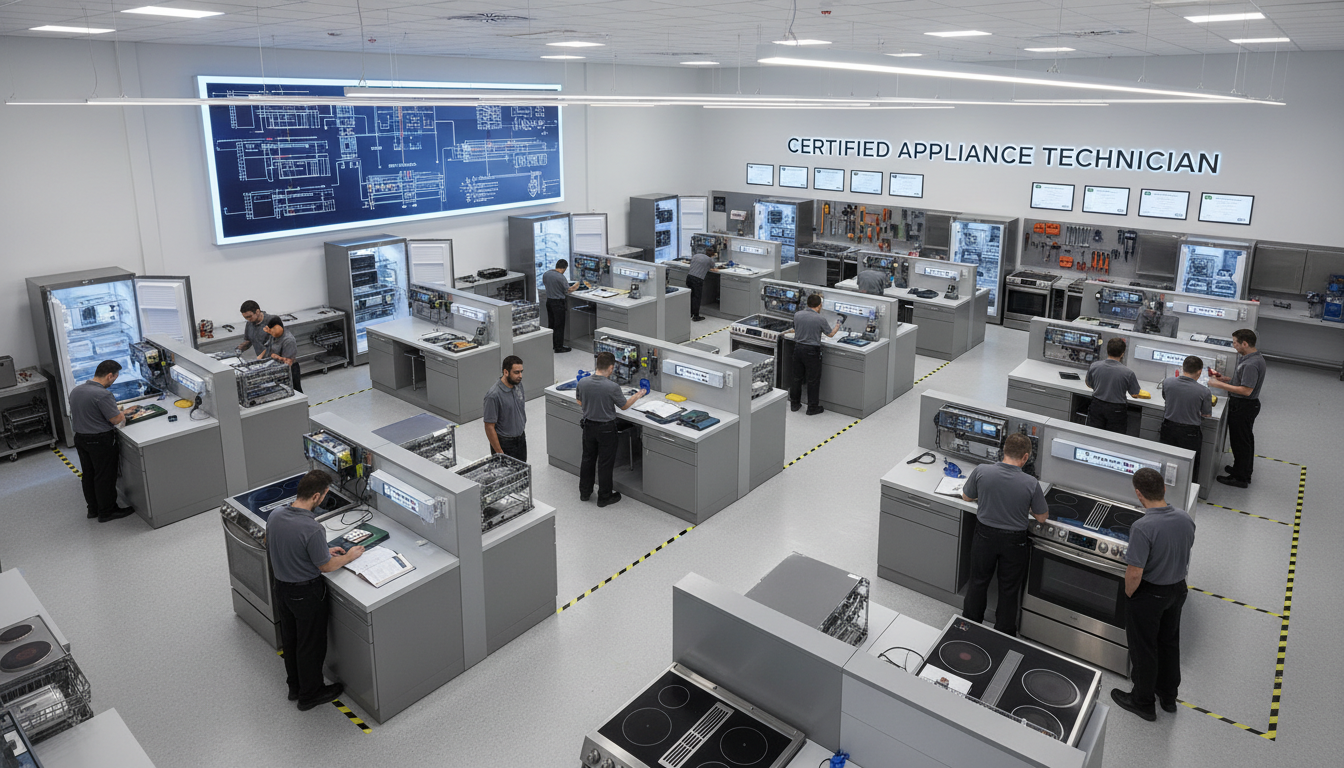
Sometimes, maintaining two-way radios in harsh conditions requires professional expertise. Partnering with a service provider for regular maintenance checks can help identify potential issues before they become serious problems. These professionals can offer insights and solutions tailored to your specific environment.
By following these expert tips, you can ensure that your two-way radio systems remain operational and efficient, even in the most challenging conditions. Consistent maintenance and care are key to extending the life of your communication devices in harsh environments.