
Expert Tips: Maintaining Two-Way Radio Systems for Peak Performance
Understanding the Basics of Two-Way Radio Systems
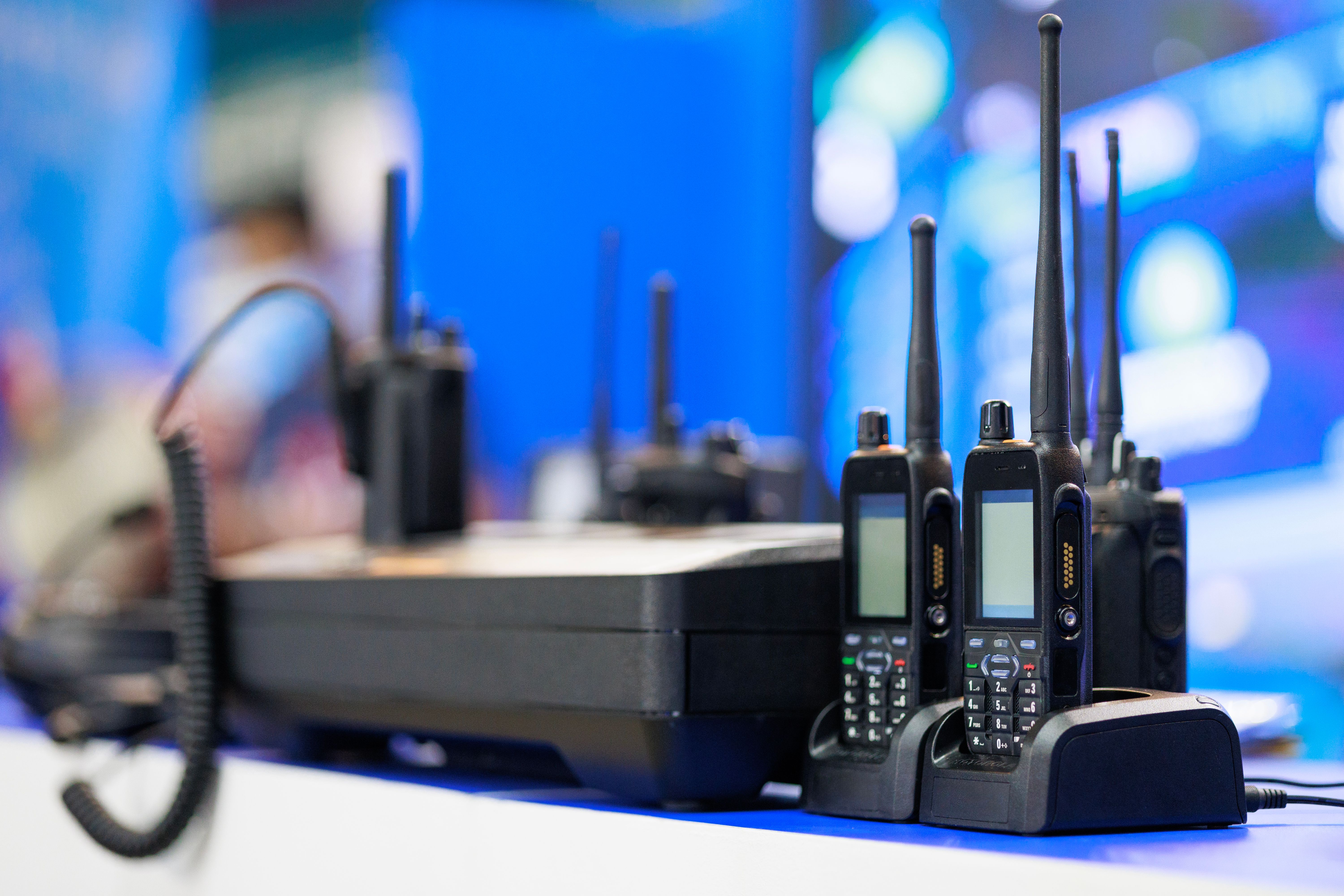
Two-way radio systems are essential tools for communication in various industries. They offer reliable, instant communication, making them invaluable for emergency services, construction, and event management. However, like any technology, they require regular maintenance to ensure peak performance.
Regular Inspection and Cleaning
One of the simplest yet most effective maintenance tasks is regular inspection and cleaning. Dust, dirt, and moisture can accumulate on your radio equipment, leading to malfunctions. Clean the exterior using a soft, dry cloth and ensure that connectors and terminals are free from debris. Regular checks can prevent minor issues from becoming major problems.
Battery Maintenance
The battery is the lifeline of any portable radio device. To maintain peak performance, ensure that batteries are charged properly and replaced when necessary. Avoid overcharging, as this can shorten battery life. Use only manufacturer-recommended chargers and batteries to ensure compatibility and longevity.
Software Updates and Calibration
Many modern two-way radios come with software that needs regular updates. Keeping your software up-to-date ensures that you have the latest features and security patches. Additionally, regular calibration of your radios ensures that frequencies are set correctly, which is crucial for clear communication.
Antenna Care
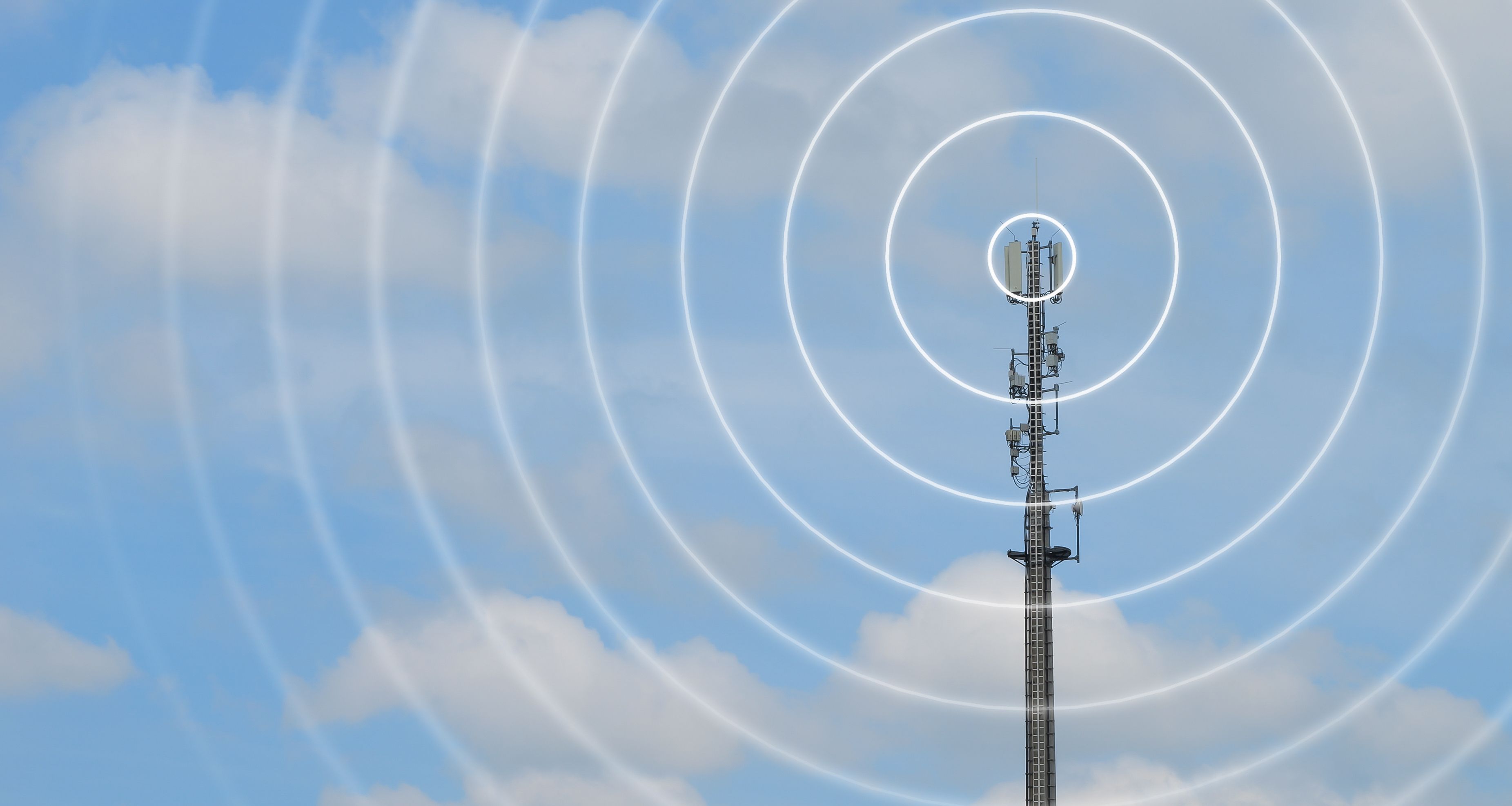
An often-overlooked component is the antenna. A damaged or improperly connected antenna can seriously affect the performance of your radio. Inspect antennas regularly for any signs of damage or wear and replace them if necessary. Ensure they are securely attached to avoid signal loss.
Training and Best Practices
Even the best-maintained equipment can underperform if not used correctly. Providing regular training for users on best practices for handling and operating two-way radios can extend the life of your equipment. Encourage users to report any issues immediately for prompt resolution.
Establishing a Maintenance Schedule
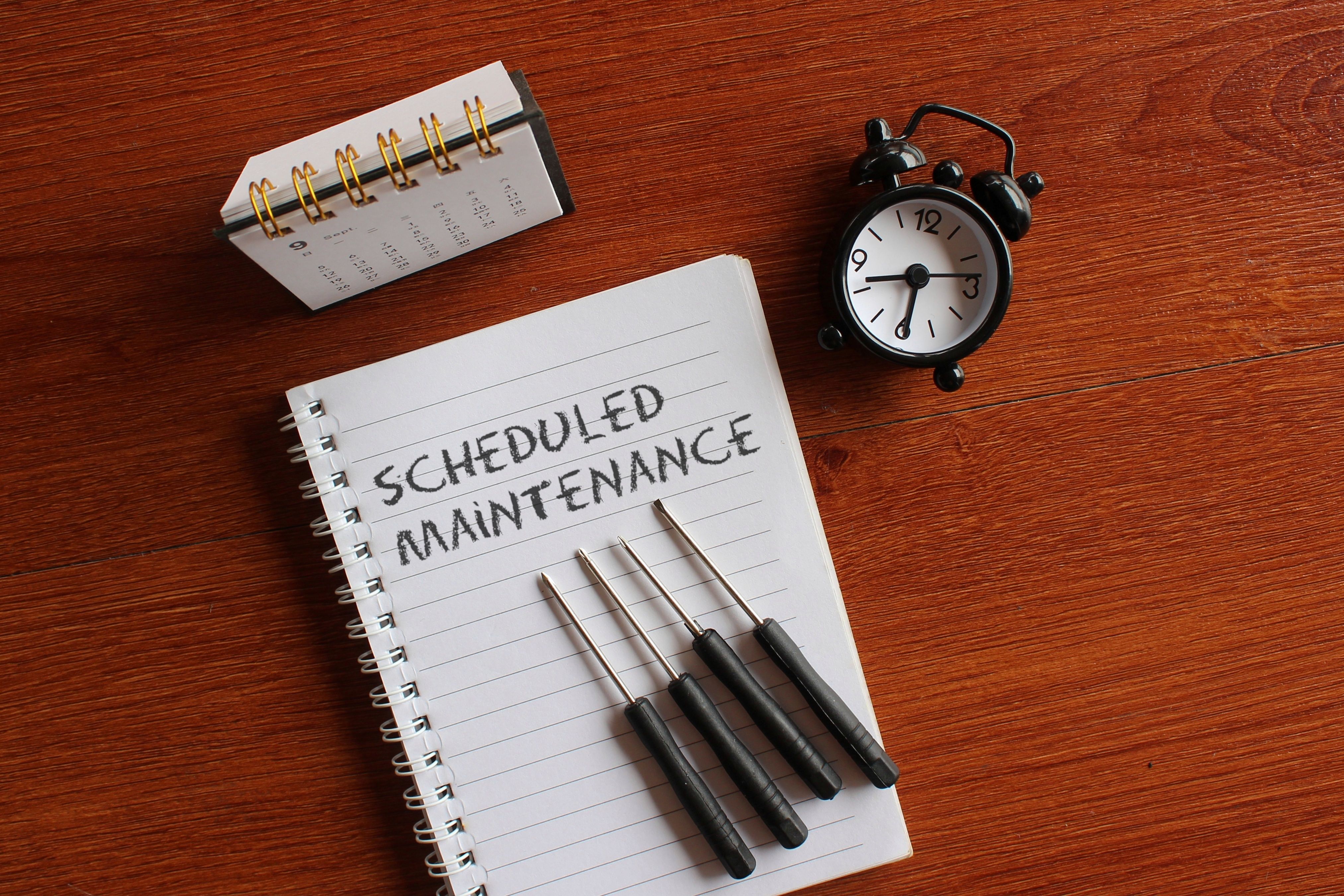
Implementing a regular maintenance schedule is crucial. Create a checklist of all maintenance tasks and assign them to specific intervals, whether weekly, monthly, or quarterly. This proactive approach can prevent unexpected failures and extend the life of your radio systems.
Conclusion
Maintaining two-way radio systems is not just about addressing issues as they arise but about taking a proactive approach to ensure their longevity and performance. By following these expert tips, you can keep your communication systems running smoothly, ensuring reliable and efficient communication at all times.