
Debunking Myths About Two-Way Radios: What Businesses Need to Know
Understanding Two-Way Radios
Two-way radios have been a staple in communication for many industries, yet several myths persist about their functionality and utility. It's time to debunk these myths and highlight how businesses can effectively leverage this technology. From construction sites to event management, two-way radios are crucial for seamless communication.
Myth 1: Two-Way Radios Are Obsolete
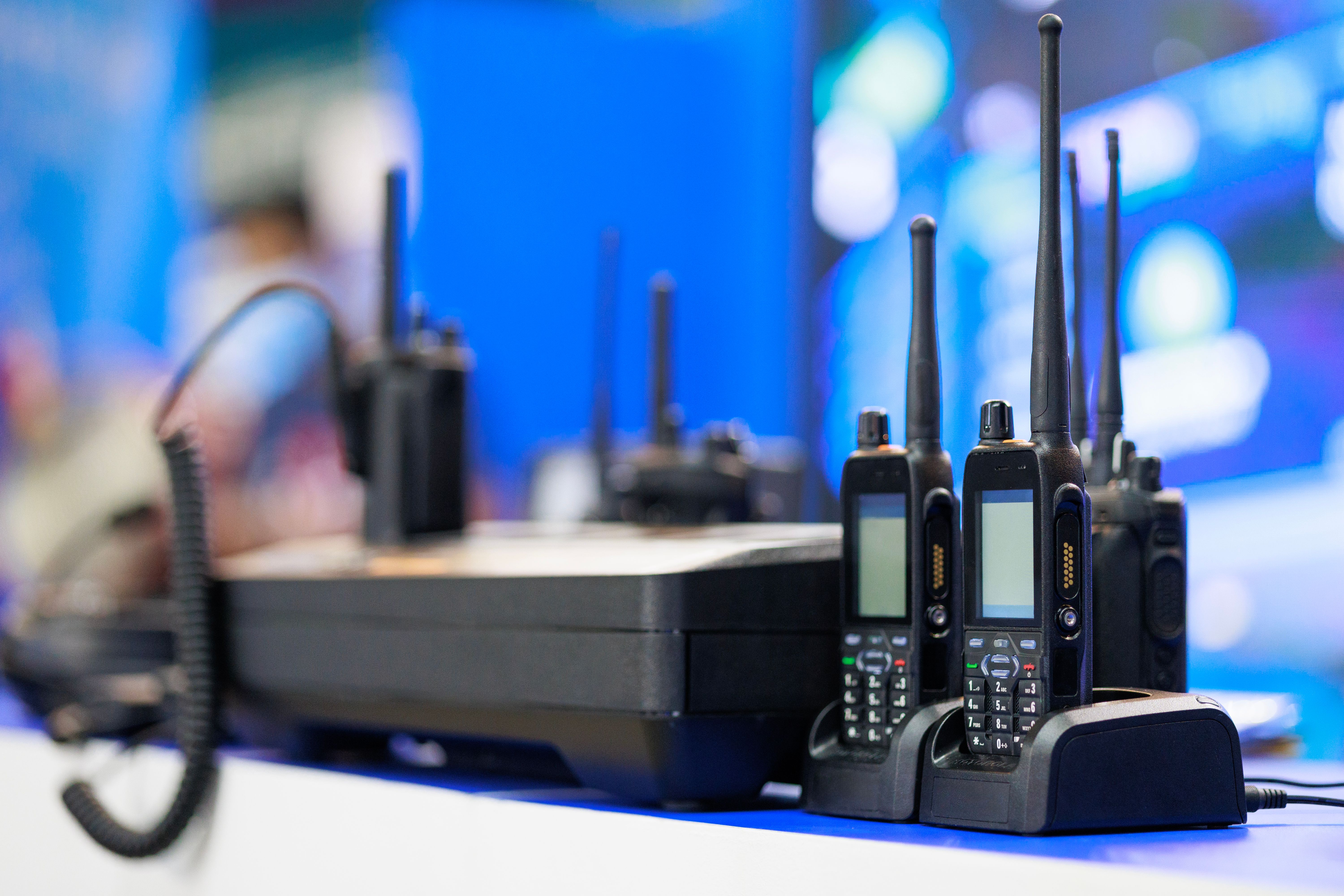
One common myth is that two-way radios are outdated and have been replaced by smartphones. However, this couldn't be further from the truth. In environments where quick, reliable communication is essential, two-way radios outperform smartphones. They provide immediate connectivity without the need for cellular networks, making them indispensable in remote areas or during network outages.
Additionally, two-way radios are built to withstand harsh conditions, including extreme temperatures and rugged terrains, something most smartphones aren't designed for. Their durability and reliability make them an enduring choice for many industries.

Myth 2: Limited Range Is a Major Issue
Another misconception is that two-way radios have a limited range that restricts their usability. Modern two-way radios offer impressive range capabilities, especially with the advancement of digital technology. For businesses requiring extended coverage, options like repeaters and satellite-based systems enhance the range significantly.
Moreover, two-way radios are designed to provide clear communication even in complex environments such as urban areas with many obstacles. This adaptability ensures that businesses can maintain effective communication regardless of location.
Myth 3: They Are Complicated to Use
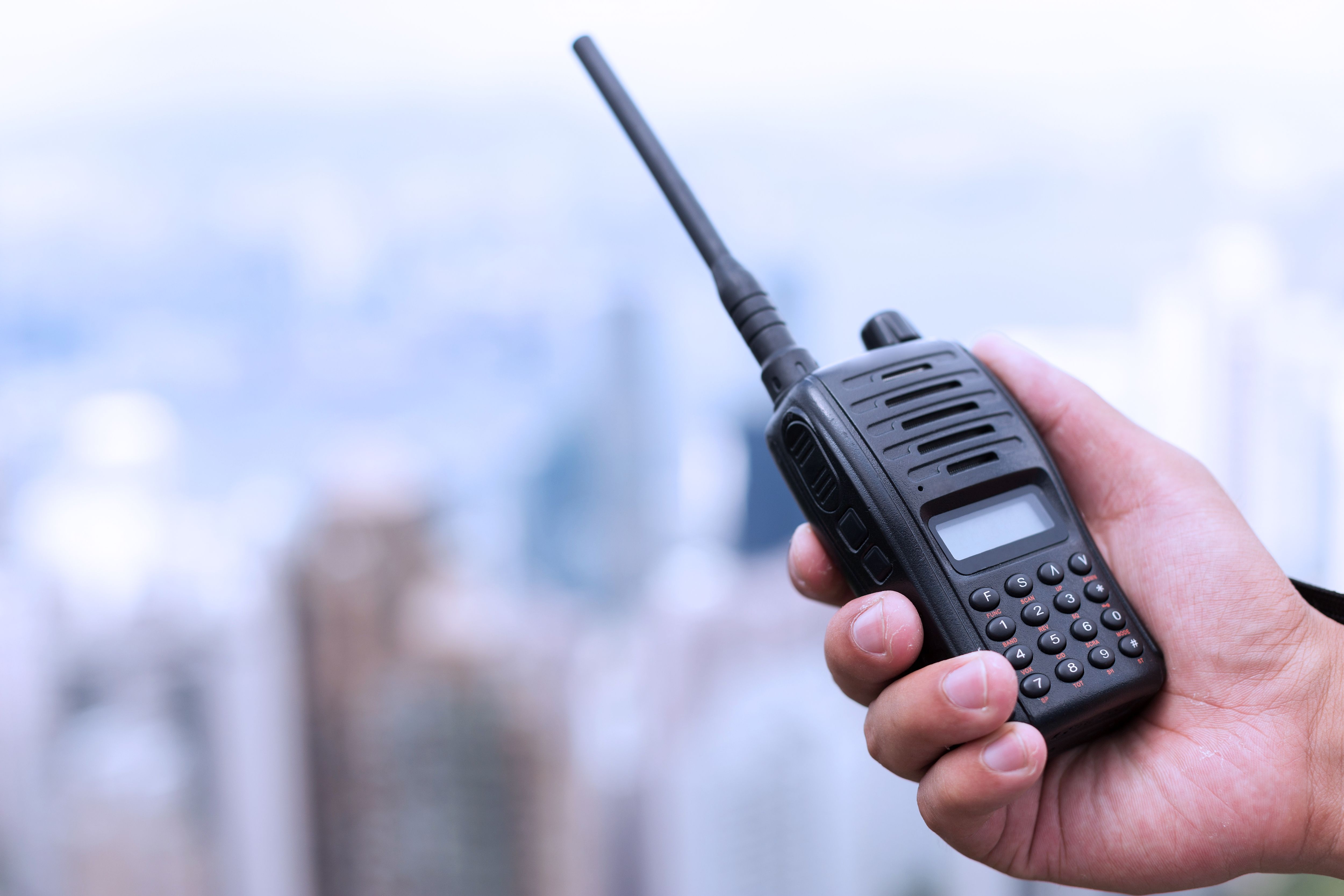
Some believe that two-way radios are complicated, requiring extensive training to operate. In reality, they are designed for ease of use. Most models come with user-friendly interfaces, allowing employees to focus on their tasks rather than struggling with complex technology.
Training is typically straightforward and can be completed in a short time, ensuring that employees can quickly adapt to using two-way radios. This simplicity is a significant advantage for businesses seeking efficient communication solutions.
Benefits of Two-Way Radios for Businesses
Beyond debunking myths, it's vital to understand the practical benefits two-way radios offer. Here are some key advantages:
- Instant Communication: Immediate connection with the press of a button.
- Cost-Effective: No monthly fees, unlike cell phones.
- Durability: Designed to withstand harsh environments.
- Enhanced Safety: Features like emergency alerts and lone worker monitoring.
These benefits demonstrate why two-way radios remain a valuable tool for businesses across various sectors. By understanding and addressing the myths, companies can make informed decisions about integrating two-way radios into their operations.