
Debunking Myths About Two-Way Radio Systems in Modern Industries
Understanding the Role of Two-Way Radio Systems
Two-way radio systems have been a staple in various industries for decades, but misconceptions about their capabilities persist. In an era dominated by smartphones and digital communication tools, it's essential to understand how these systems still play a crucial role in modern industries. Let's debunk some common myths surrounding two-way radios and explore their true potential.
Myth 1: Two-Way Radios Are Outdated
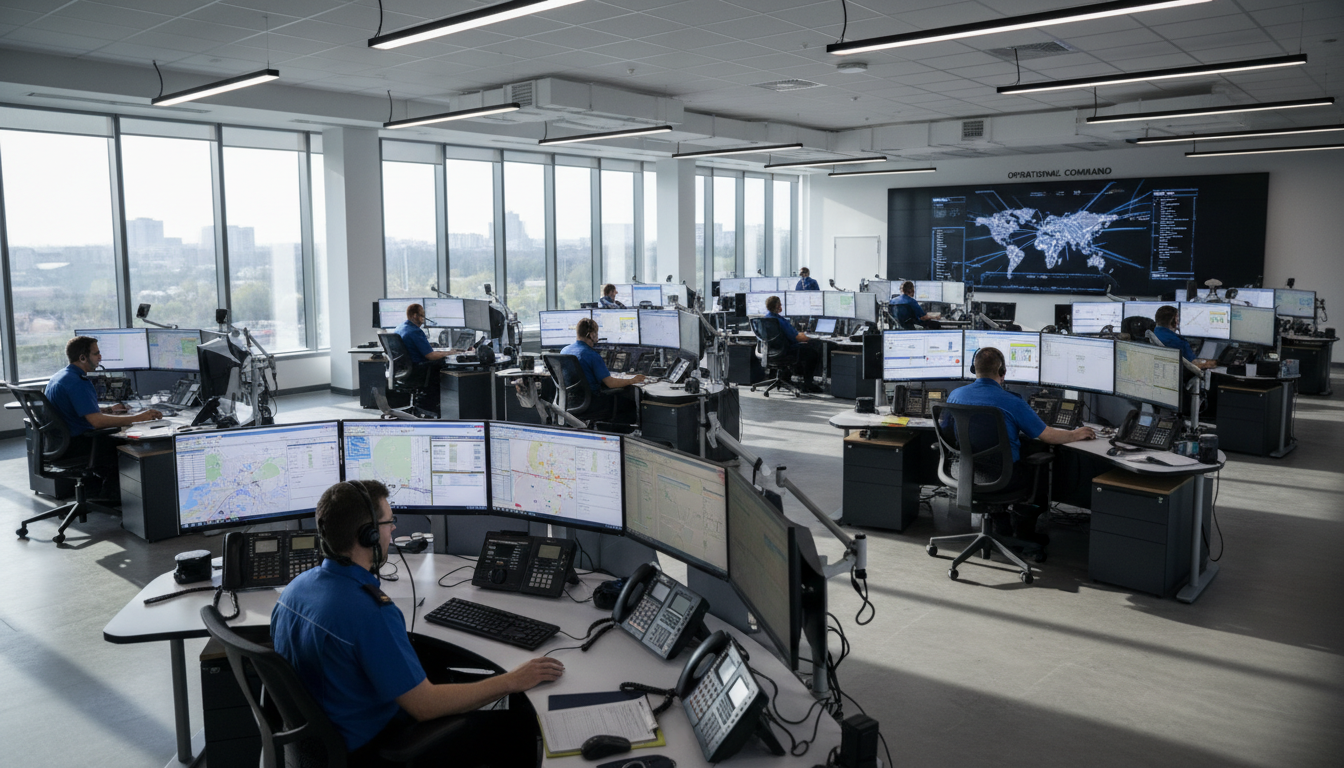
One of the most prevalent myths is that two-way radios are outdated technology. However, these devices have evolved significantly with advancements in digital technology. Modern two-way radios offer features like GPS tracking, text messaging, and enhanced audio quality, making them more relevant than ever.
Industries such as construction, hospitality, and emergency services rely heavily on two-way radios for their reliability and instant communication capabilities. Unlike smartphones, radios are built to withstand harsh environments and provide seamless communication even in areas with poor cellular reception.
Myth 2: Limited Range and Connectivity
Another common misconception is that two-way radios have limited range and connectivity. While this might have been true for older models, today's digital two-way radios offer extended coverage. With the integration of repeaters and trunking systems, users can achieve communication over vast distances.
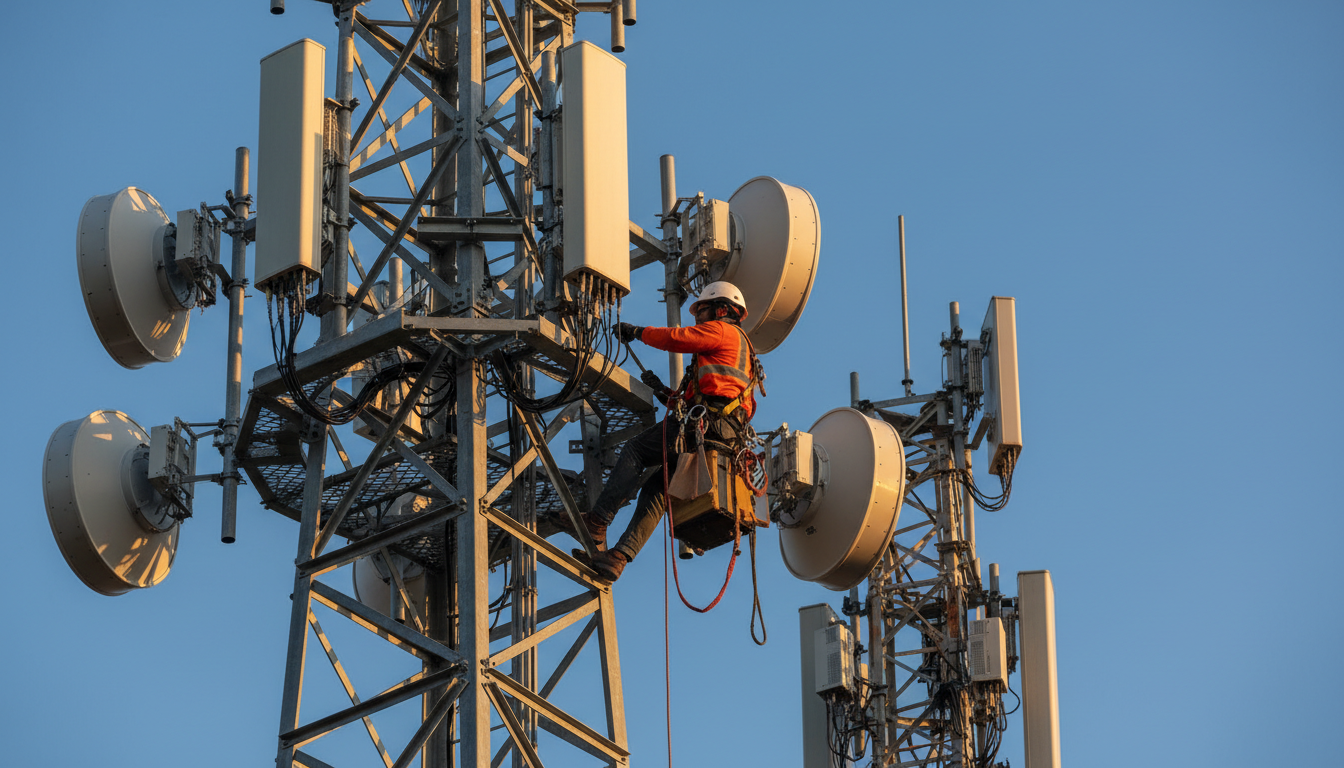
Moreover, many modern radios can be integrated with other communication systems, allowing for seamless connectivity across different platforms and expanding their usability in various scenarios.
Myth 3: Complexity and Difficulties in Use
Some believe that two-way radios are complex and difficult to use, especially for those accustomed to smartphones. However, these devices are designed for ease of use, with intuitive interfaces and programmable buttons that simplify operation. Training for new users is typically straightforward and quick.
- Dedicated channels for specific communications
- Emergency alert features for safety
- Customizable settings for different applications
Myth 4: Cost Ineffectiveness
A concern for many businesses is the cost of implementing two-way radio systems. While the initial investment can be significant, the long-term benefits often outweigh the costs. Two-way radios are durable, reducing the need for frequent replacements, and they eliminate monthly fees associated with cellular plans.

Furthermore, by enhancing team communication and efficiency, these systems can lead to increased productivity and reduced downtime, ultimately saving money in the long run.
The Future of Two-Way Radios in Industries
As technology continues to advance, two-way radio systems are set to become even more integrated within modern industries. The addition of features like Bluetooth connectivity and integration with IoT devices will further enhance their utility and adaptability.
In conclusion, two-way radios remain a vital tool in various sectors. By understanding and debunking the myths surrounding them, industries can continue to leverage their strengths for effective communication and improved operational efficiency.