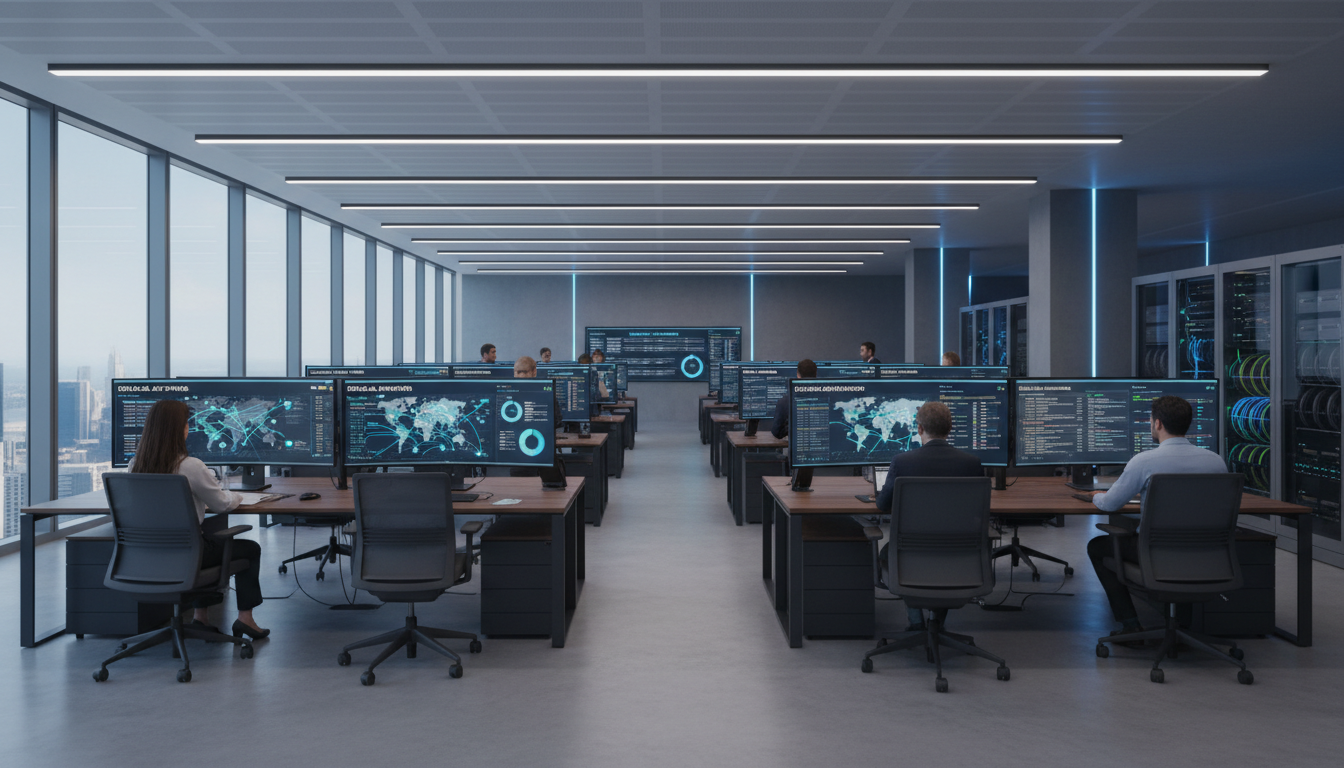
Comparing Two-Way Radio Systems: Which is Best for Transportation Companies?
In the fast-paced world of transportation, communication is key. For companies in this sector, choosing the right two-way radio system can significantly impact efficiency and safety. With several options available, understanding the differences between systems is crucial for making the right choice.
Two-way radio systems allow for real-time communication, which is essential for coordinating logistics and ensuring smooth operations. But not all systems are created equal. In this post, we'll explore the various options and determine which might be the best fit for your transportation company.
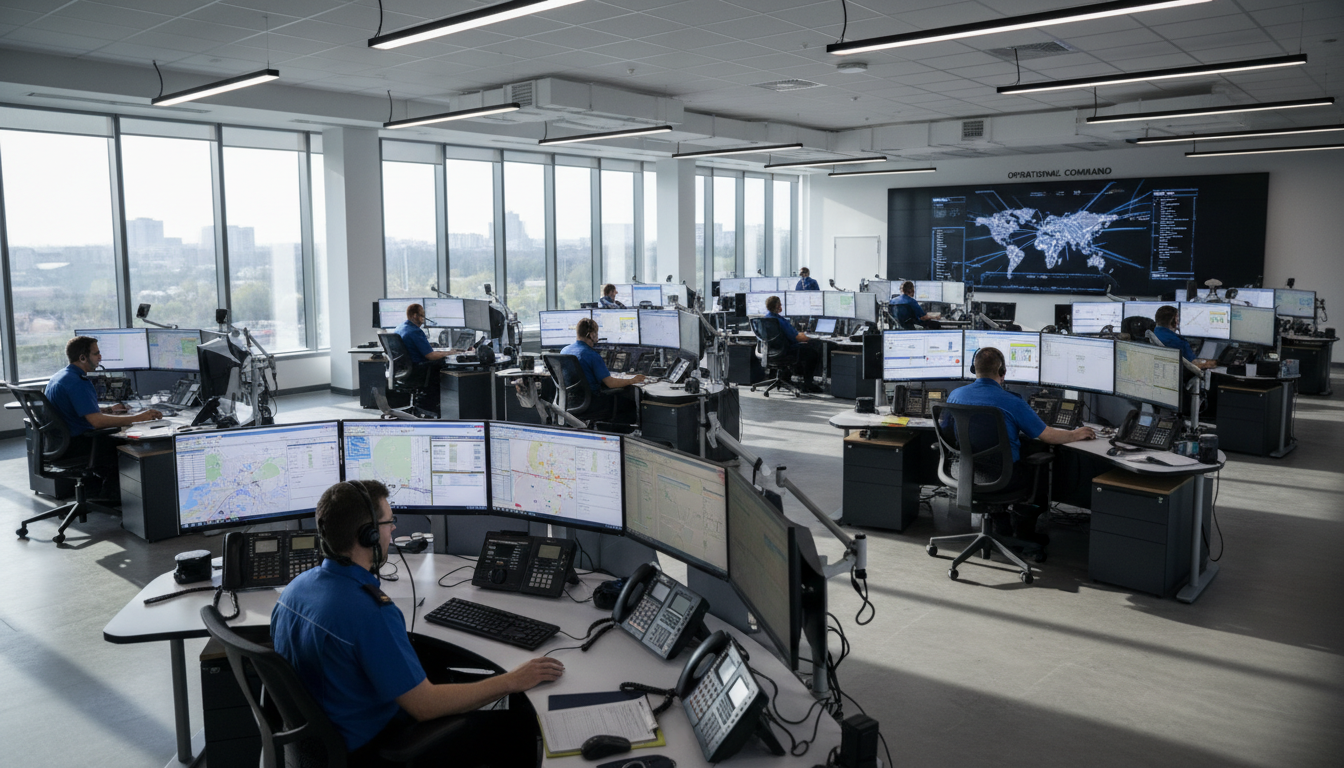
Understanding Two-Way Radio Systems
Analog vs. Digital Radios
The first decision is often between analog and digital radios. Analog radios are traditional and have been used for decades. They are simple to use and generally cost-effective. However, they may suffer from interference and limited range.
Digital radios, on the other hand, offer clearer sound quality and a longer range. They often come with additional features, such as text messaging and GPS tracking. While typically more expensive, the enhanced functionality can be worth the investment for many companies.
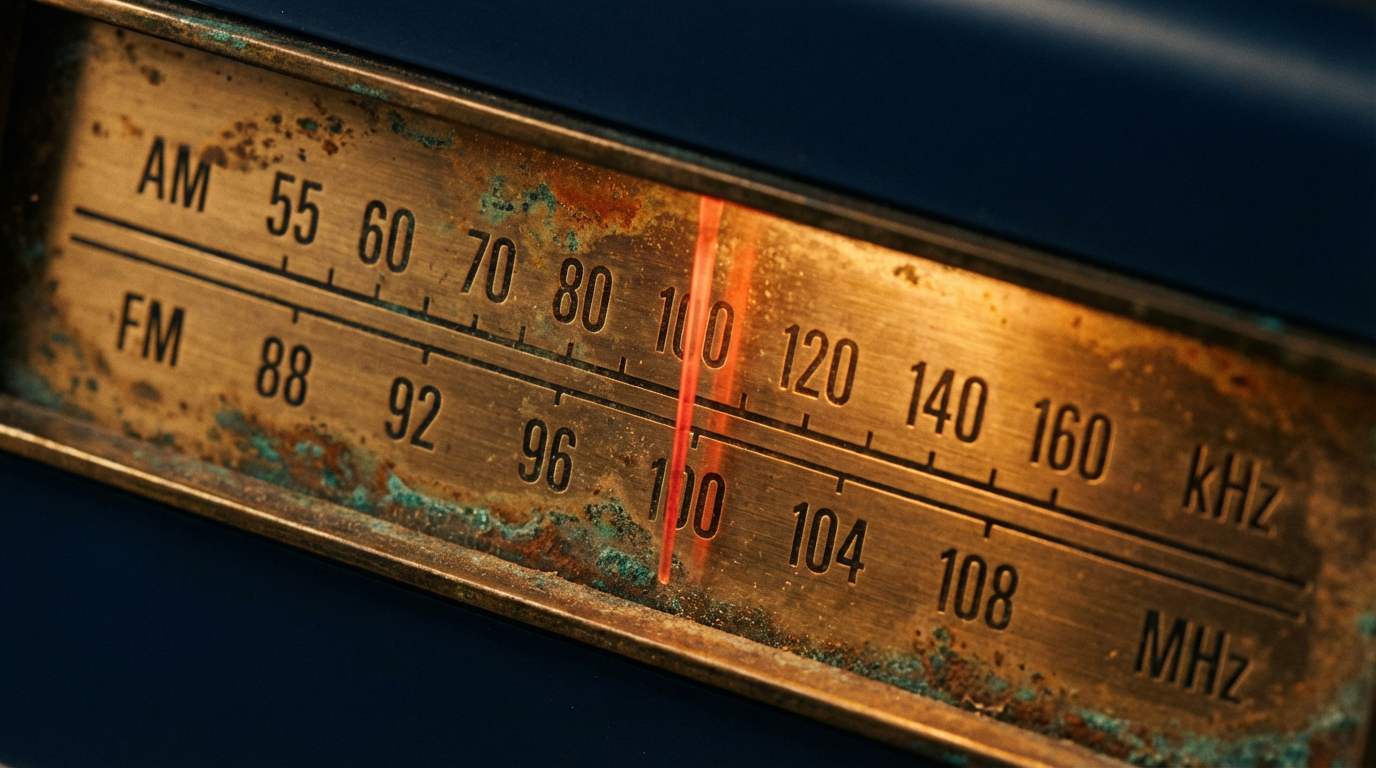
Network Type: Conventional vs. Trunked
Another consideration is the network type. Conventional radio systems are straightforward, with each channel dedicated to a specific group or function. This can be limiting when multiple teams need to communicate simultaneously.
Trunked radio systems, however, dynamically allocate channels, allowing for more efficient use of available frequencies. This can be particularly beneficial for larger operations where communication needs are more complex.
Evaluating the Needs of Your Company
Size and Scale of Operations
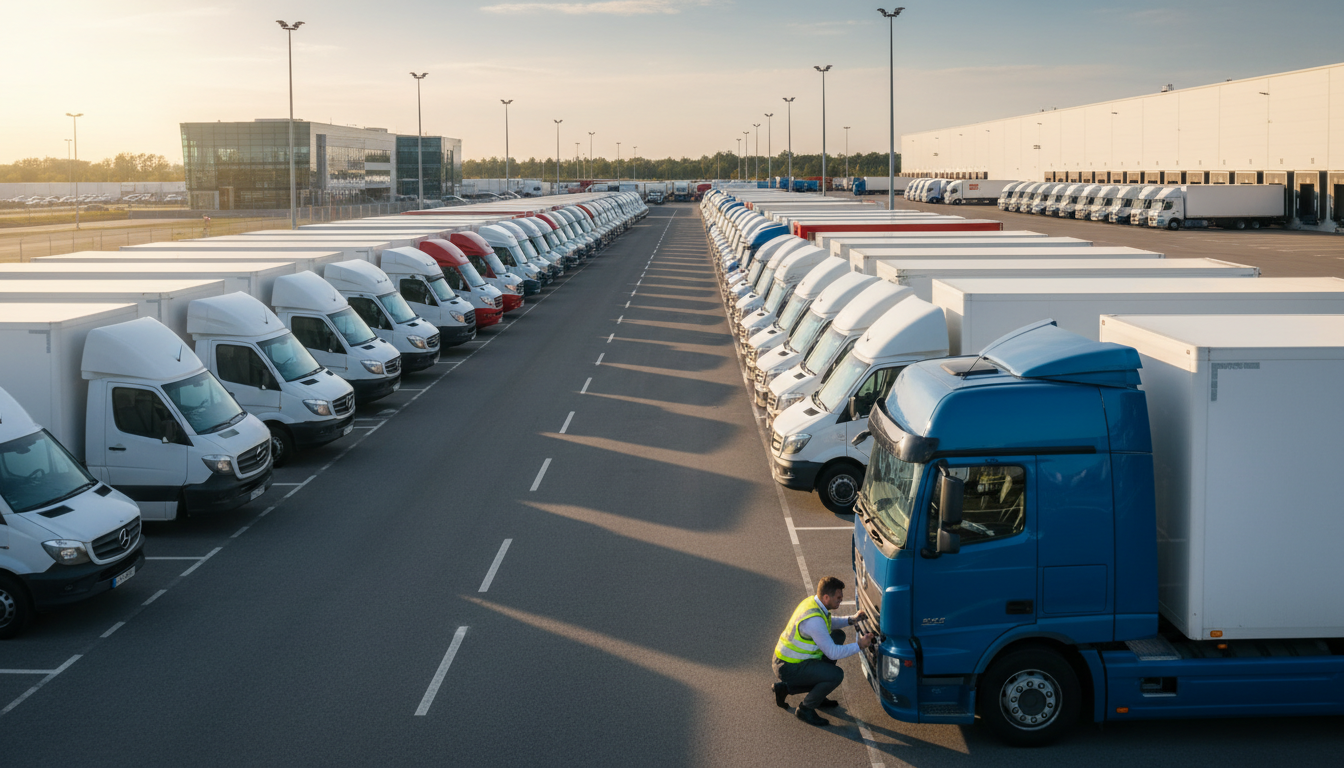
The size and scale of your operations play a significant role in determining the best system. For small to medium-sized companies, a simple analog system may suffice. However, larger companies with extensive fleets might benefit from the advanced features of digital and trunked systems.
Budget Considerations
Budget is always a concern, and while digital and trunked systems offer more features, they come at a higher cost. It's important to weigh the benefits against the investment. Consider potential cost savings from improved efficiency and reduced downtime when evaluating your options.
Making the Choice
Ultimately, the best two-way radio system for your transportation company depends on your specific needs and circumstances. Consider the scale of your operations, your budget, and the features that are most important for your team.
Whether you choose analog or digital, conventional or trunked, the right system can enhance communication and keep your operations running smoothly. By taking the time to evaluate your options, you can make an informed decision that supports your company's success.