Case Study: Improving Emergency Response Times in Halifax with Tait Radios
Introduction
In recent years, the city of Halifax has made significant strides in enhancing its emergency response capabilities. A critical aspect of this improvement has been the integration of Tait radios into the communication systems used by emergency responders. This case study explores how these radios have contributed to faster response times and improved coordination among emergency services.
The Challenge
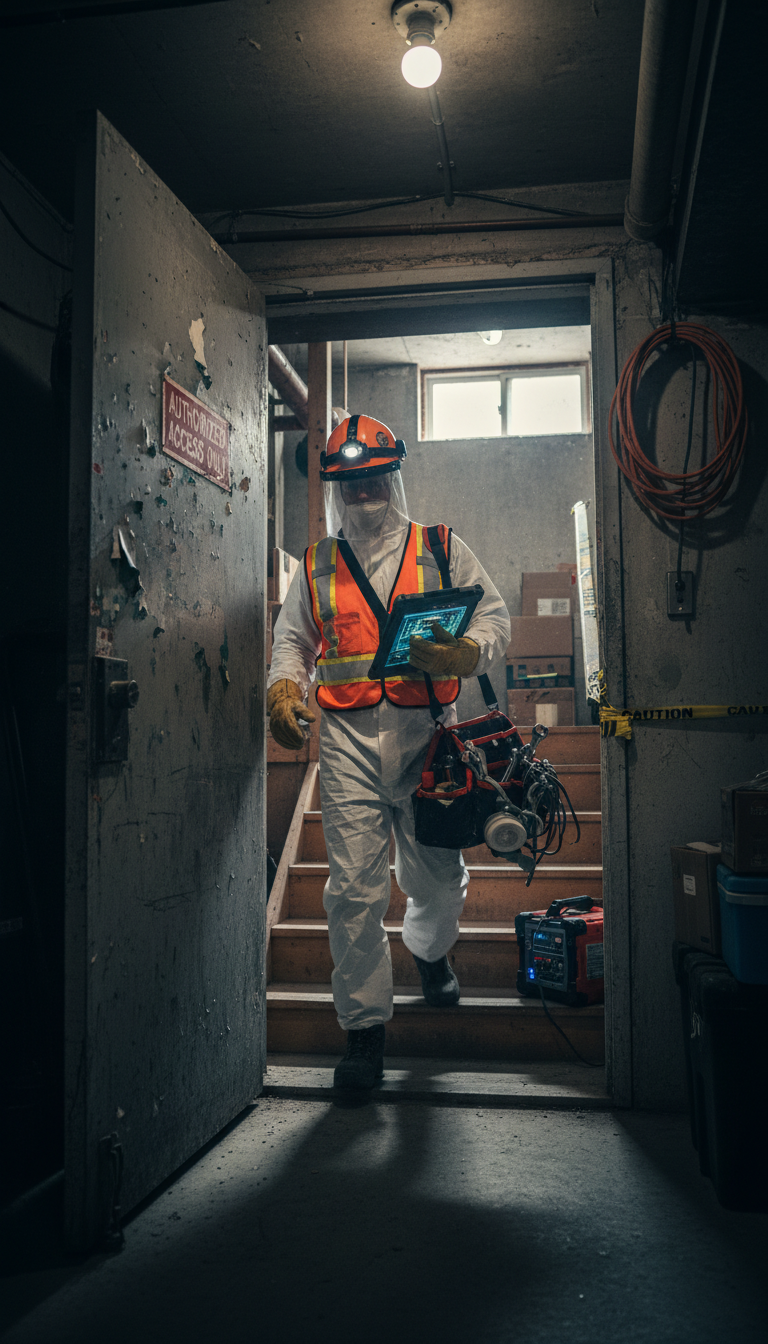
Halifax, like many growing urban areas, faced challenges with its emergency response times. The city's existing communication infrastructure was struggling to cope with the increasing demand and complexity of emergency situations. Inefficient communication often led to delays, which could be detrimental in critical situations.
Need for Reliable Communication
Reliable communication is crucial for coordinating efforts during emergencies. Traditional systems were plagued by issues such as poor signal quality and limited coverage, which hampered the ability of first responders to communicate effectively.
The Solution: Tait Radios
Tait radios were introduced as part of a comprehensive strategy to overhaul Halifax's emergency communication system. Known for their robust design and advanced features, Tait radios provided a more reliable and efficient means of communication for emergency personnel.

Key Features of Tait Radios
The Tait radios offered several features that were instrumental in improving response times:
- Enhanced Coverage: The radios provided superior coverage, ensuring that responders maintained communication even in remote or challenging areas.
- Clear Audio: High-quality audio capabilities eliminated misunderstandings and ensured clear communication.
- Durability: Designed to withstand harsh conditions, the radios were reliable in various emergency scenarios.
Implementation Process
The implementation of Tait radios in Halifax involved a phased approach, beginning with extensive testing and training sessions for emergency personnel. This ensured that all users were familiar with the new technology and could utilize its full capabilities.

Training and Support
Comprehensive training programs were conducted to familiarize responders with the radio features. Ongoing support was also provided to address any technical issues and ensure seamless integration into daily operations.
Results and Impact
The introduction of Tait radios resulted in noticeable improvements in emergency response times across Halifax. Coordinated efforts became more efficient, and communication breakdowns were significantly reduced.
Statistics and Feedback
Statistics showed a substantial decrease in response times, while feedback from emergency personnel highlighted the increased confidence in their communication tools. The overall effectiveness of emergency operations improved, leading to better outcomes for the community.
Conclusion
The case study of Halifax's adoption of Tait radios demonstrates the crucial role that advanced communication technology plays in enhancing emergency response capabilities. By investing in reliable and feature-rich radios, Halifax has set a benchmark for other cities aiming to improve their emergency services.